Read before you reach for gear
Difficult light becomes manageable when it is separated into direction, quality, color, and contrast. I look at where the brightest source is, how hard the shadow edges appear, what surfaces are reflecting light, and whether multiple color temperatures are affecting the subject.
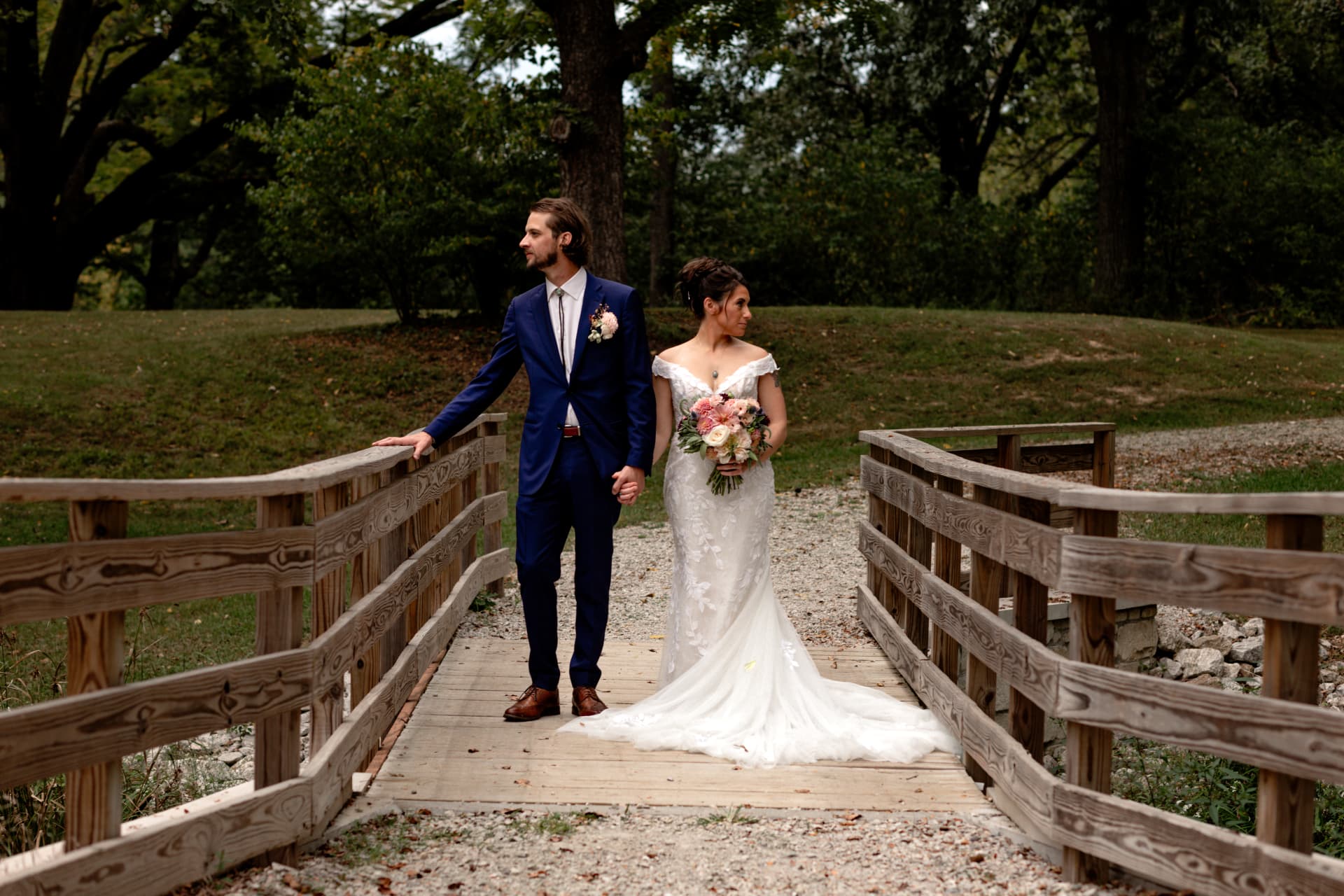
Turning a subject slowly in place can reveal the most useful angle faster than changing equipment. Light that looks harsh from one direction may become dimensional from another.
Control direct sun
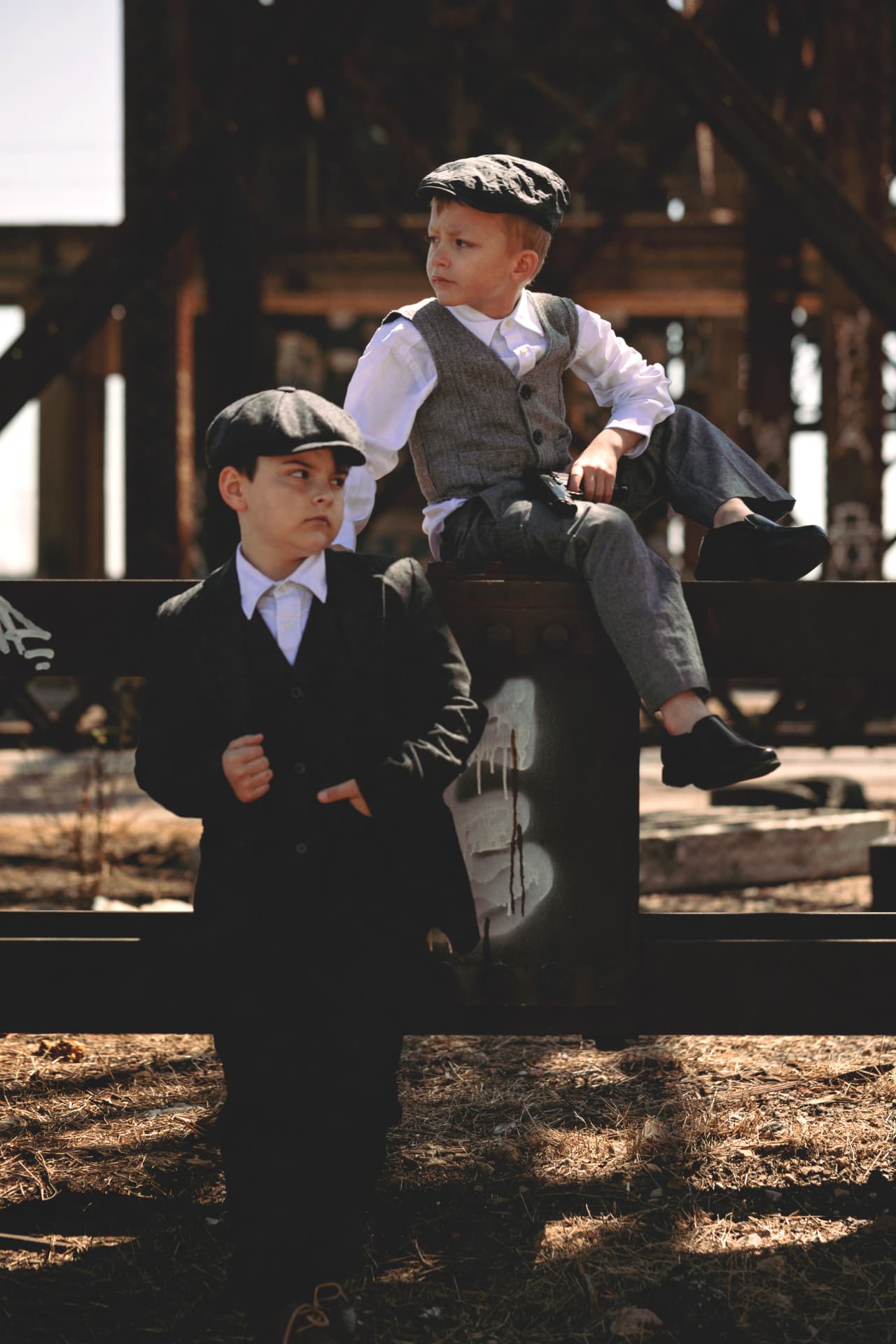
Midday sun creates deep eye sockets and bright highlights when it falls from overhead. Open shade near the edge of a building or tree can soften the subject while preserving directional light from the sky. Moving too deep into shade may produce flat light or a strong color cast from surrounding surfaces.
When shade is unavailable, backlighting keeps direct sun off the face. Exposure then needs to account for the subject, the background, and the dynamic range the camera can hold. Fill flash or a reflector can reduce the difference when needed.

Use reflections as light sources
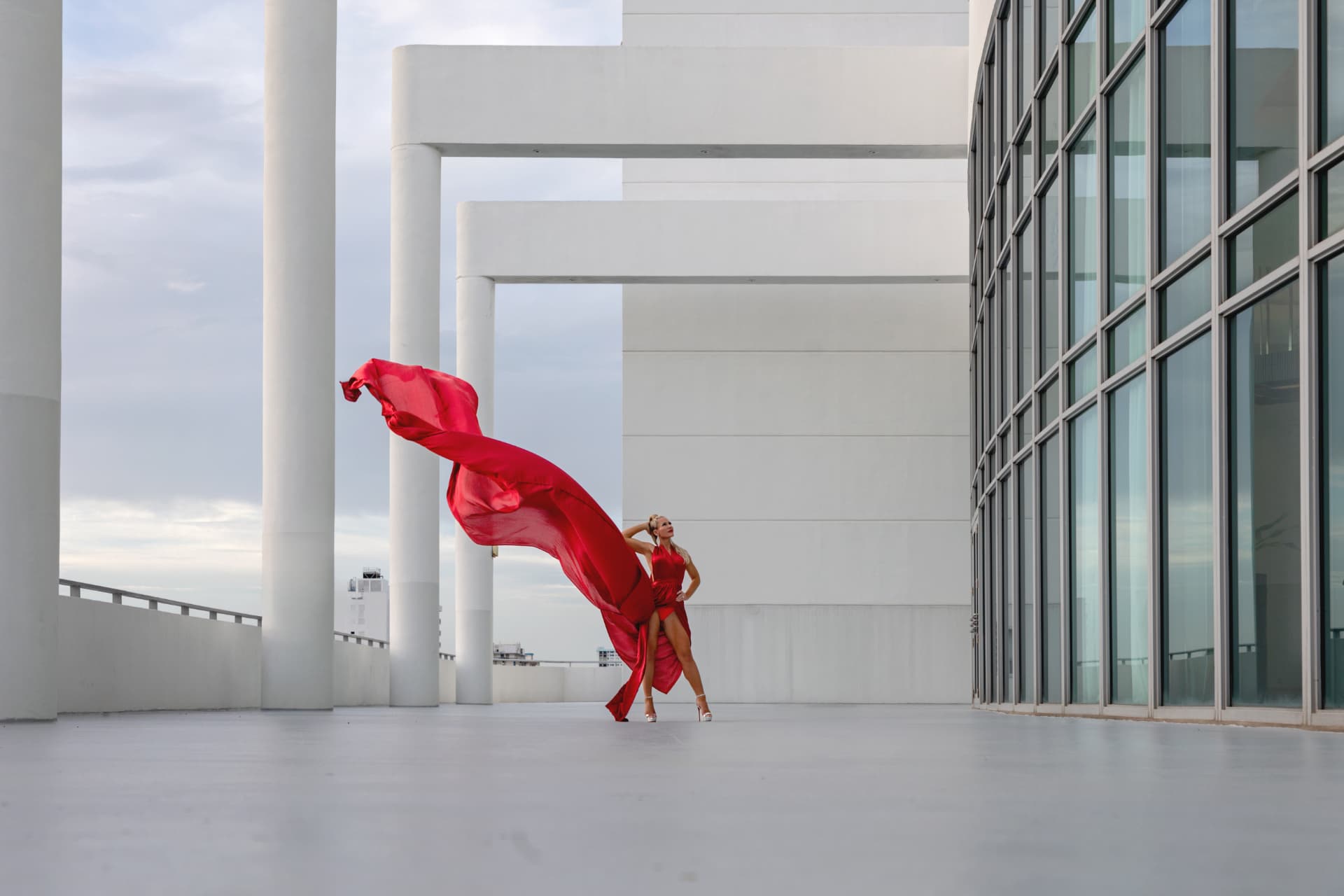
Water, pale pavement, glass, and building facades can act as large reflectors. Their size and distance influence softness, while their color can affect skin tone. A red brick wall may return warm light. Green grass can create an unwanted cast from below.
Specular reflections on glass or water change with camera angle. A polarizing filter can reduce some reflections, but it can also remove the shimmer that gives the scene depth. The right amount is a creative choice.
Adapt without erasing the conditions
Cloud cover can change exposure and color temperature quickly. Watching the histogram and highlights helps maintain usable files, but visual continuity matters too. A short pause or location shift may be better than correcting a dramatically different frame later.
The goal is not always to make difficult light look soft. Hard shadows, flare, and reflections can become part of the style when they are composed deliberately and placed where they support the subject.