
Consistency begins in preproduction
Editing cannot fully reconcile wardrobe, location, and light that were never meant to work together. A clear brief aligns those elements before the session. It can be simple: intended mood, color family, location, key images, and the practical limits of time and budget.
Reference photographs help identify qualities such as contrast, movement, or composition. They work best as shared vocabulary, not as images to reproduce exactly.
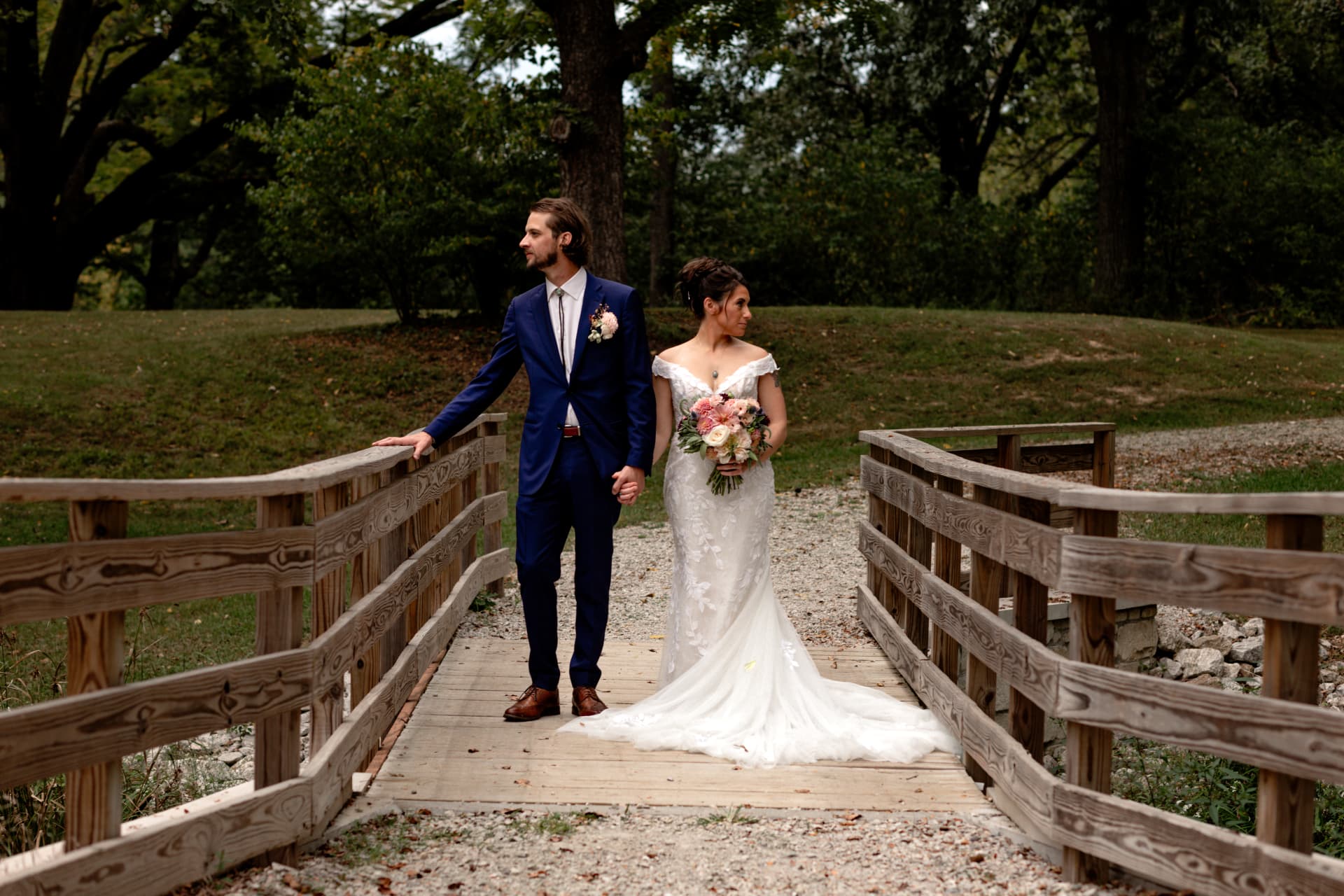
Photograph with the finish in mind
A planned color grade affects capture decisions. If the finish depends on deep shadows, the lighting still needs to preserve the texture that matters. If skin tone is central, mixed color casts should be controlled on set rather than left entirely for post-production.
Consistent exposure and white balance across a sequence reduce correction later. A gray reference can help in controlled work, while raw capture leaves more flexibility than a processed file.
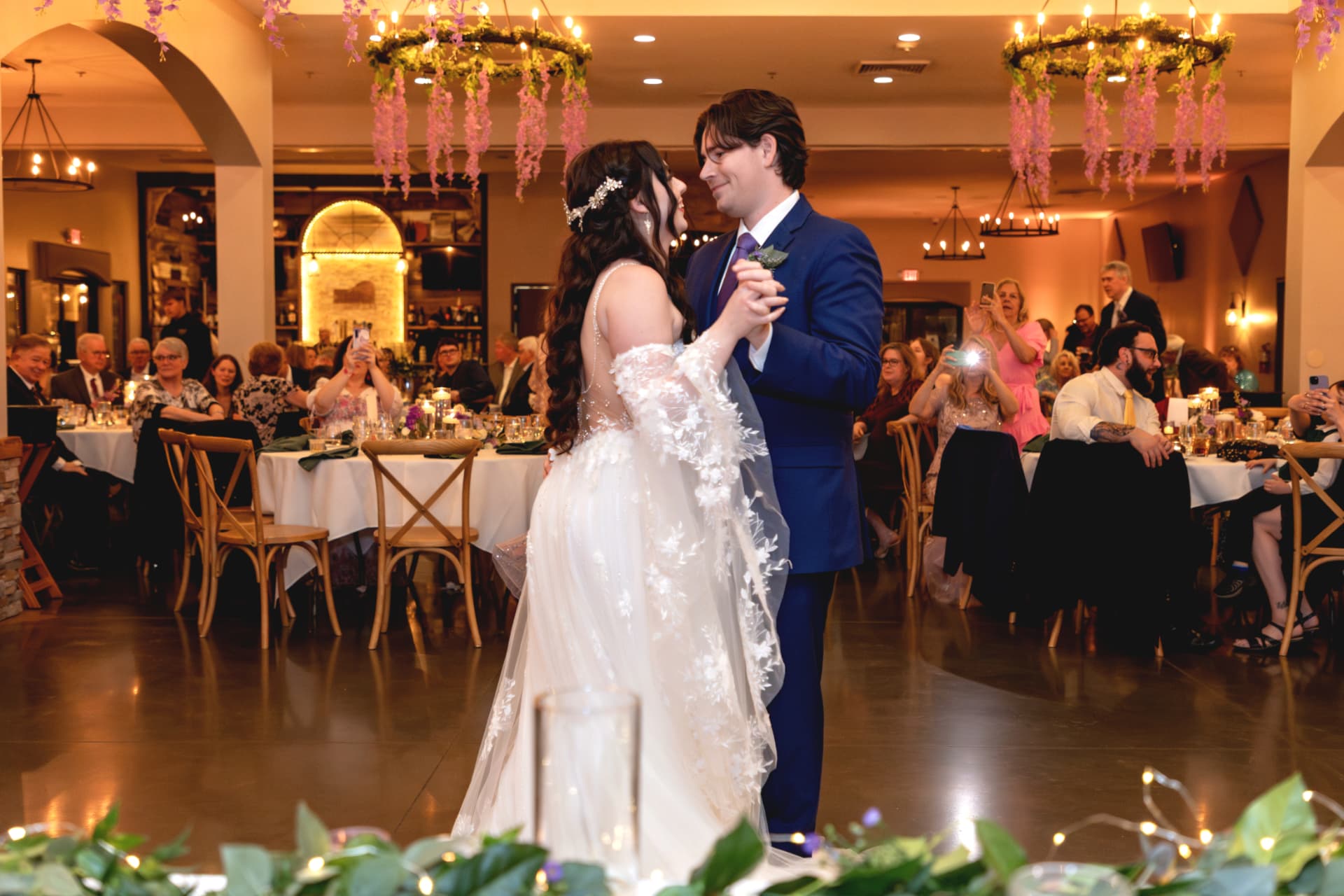
Culling is part of the edit
Culling means selecting the photographs that best communicate the session. Technical quality matters, but so do expression, gesture, visual rhythm, and redundancy. Several nearly identical frames can weaken a gallery even when each is individually strong.
A first pass removes clear misses. Later passes compare similar moments and build a sequence with variety. The goal is not the highest possible image count. It is a complete, coherent body of work.
Build a repeatable workflow
A reliable process includes calibrated displays, organized file naming, backed-up originals, non-destructive adjustments, and exports sized for their destination. Presets can establish a starting point, but each scene still needs individual judgment.
Consistency does not mean every photograph has identical values. It means color, density, and contrast change with intention while the gallery retains a recognizable visual voice.