Plan around the person
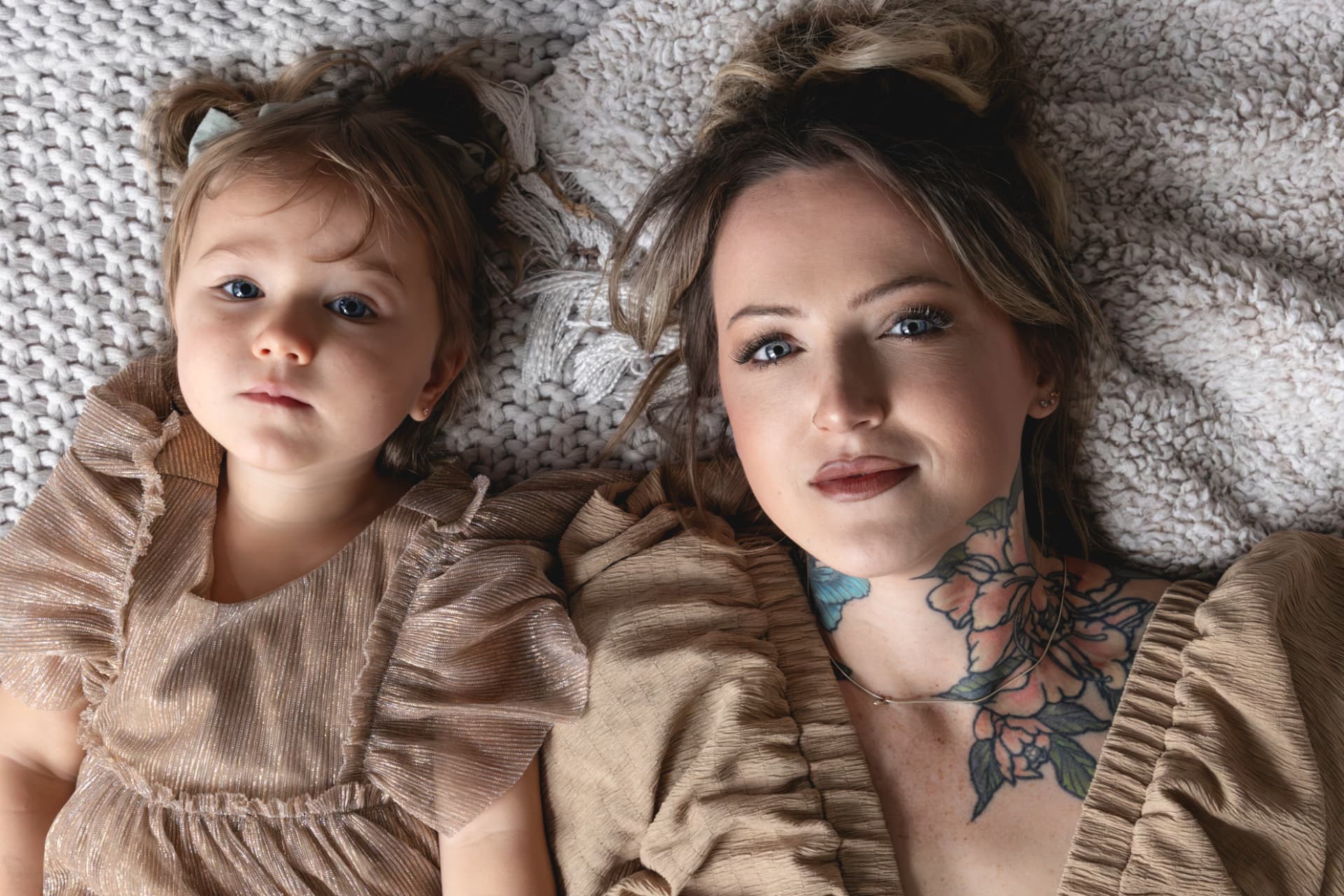
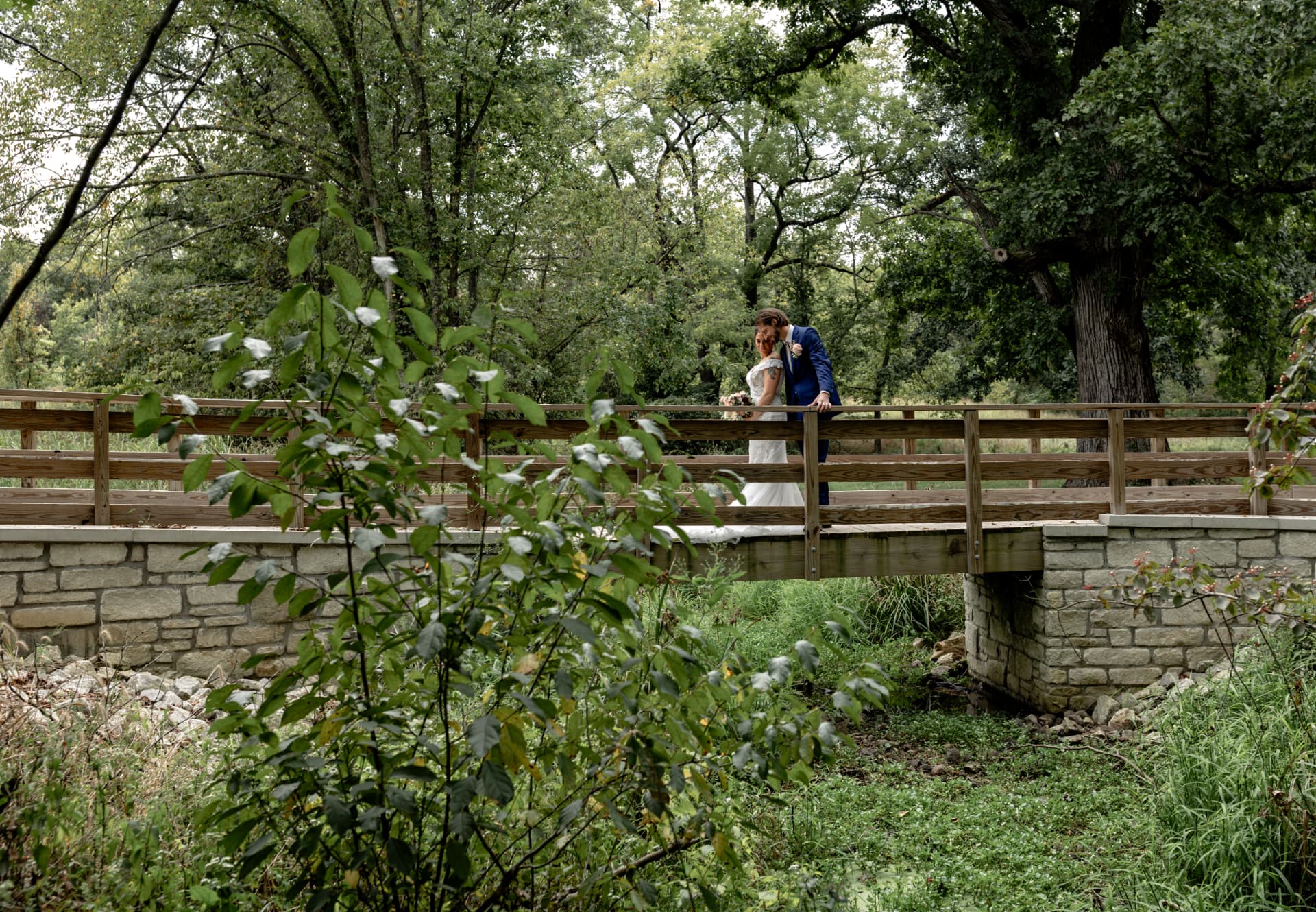
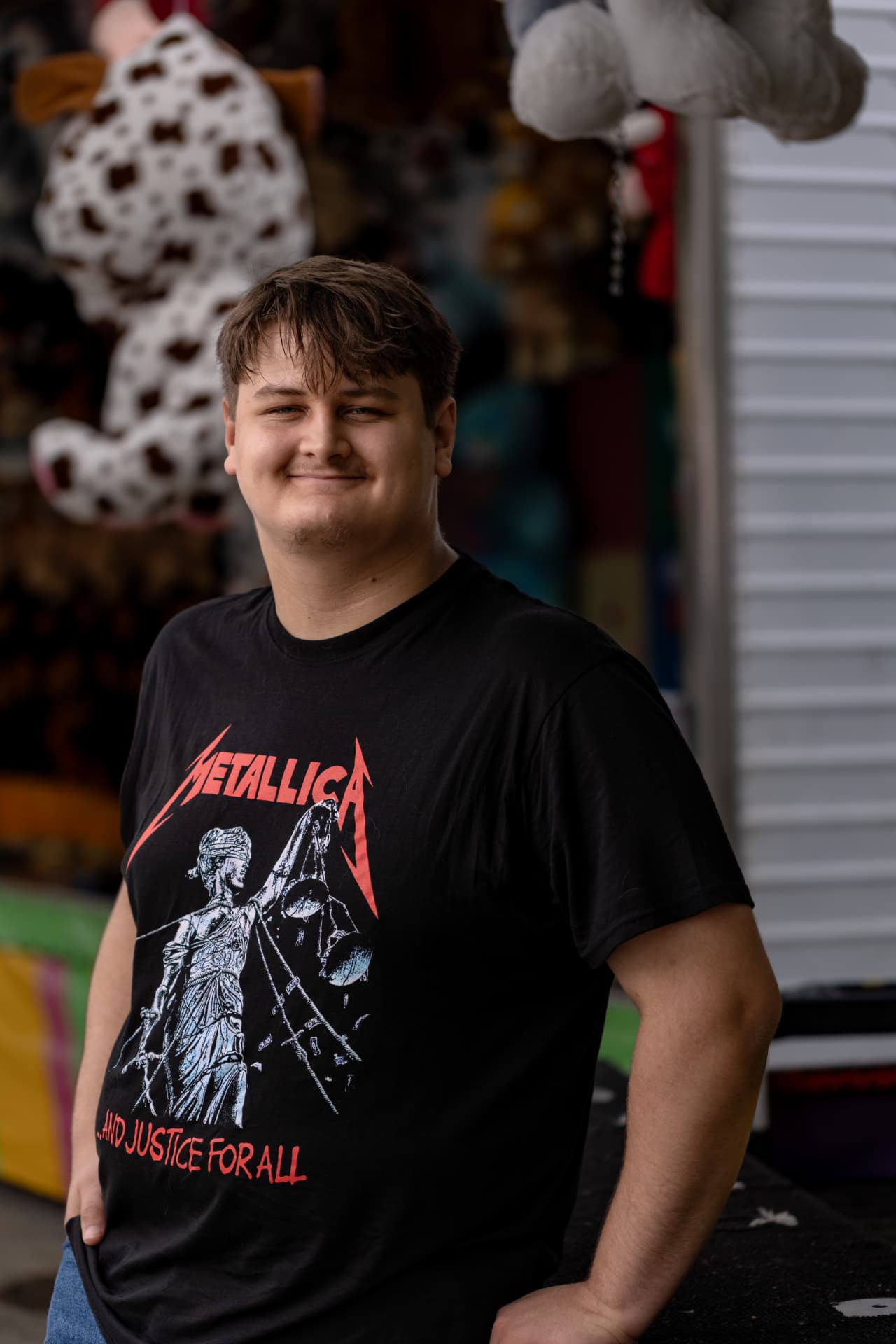
A senior portrait should not feel like someone else's template. A conversation about interests, style, and comfort helps choose clothing and locations that feel recognizable. Personal objects can belong in the session when they add meaning rather than becoming props for every frame.
Wardrobe works best when it fits well and allows movement. Bringing one familiar option and one bolder option can create variety without turning the session into a costume change.
Use direction that can be felt
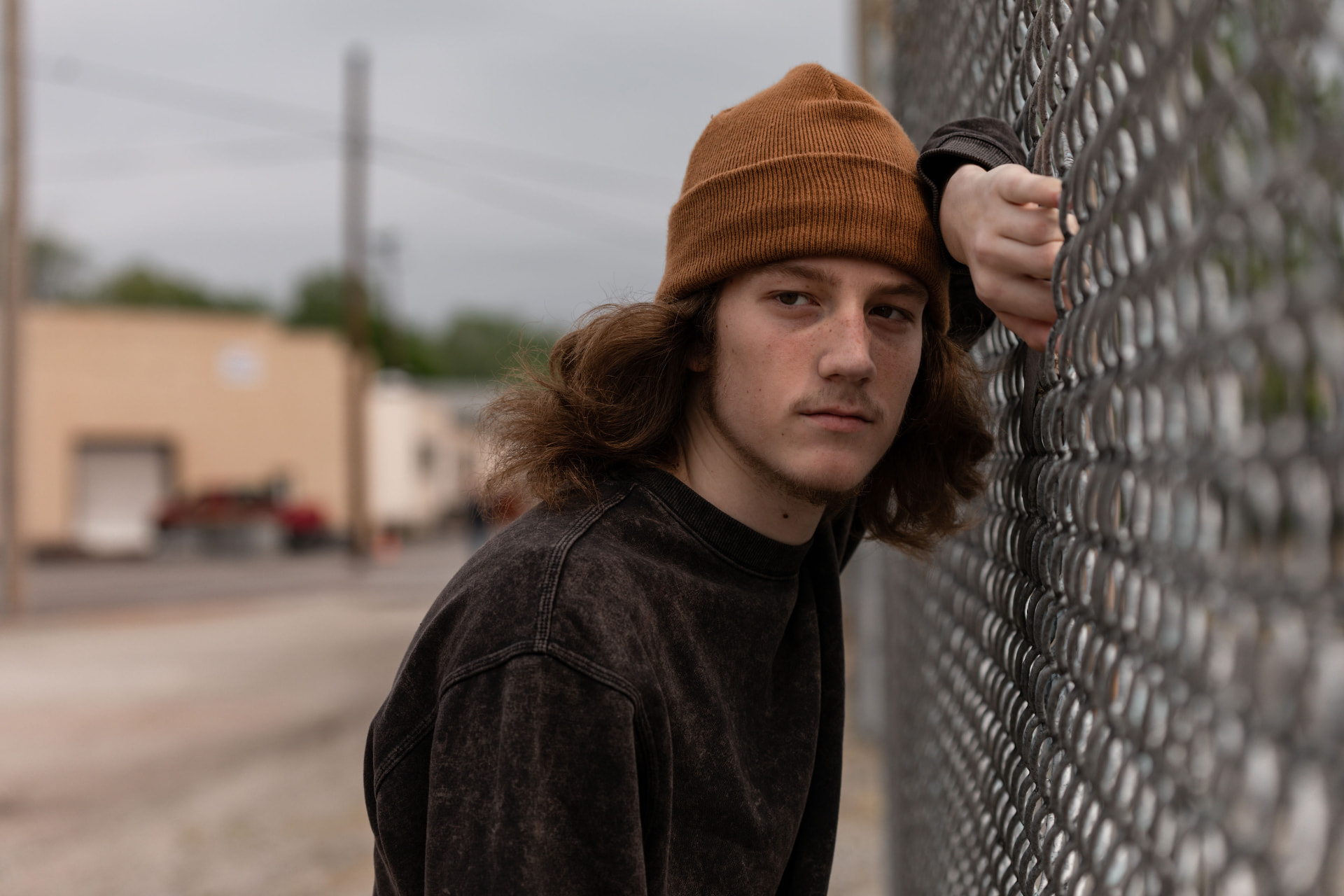
Long posing instructions make most people more aware of the camera. I keep direction physical and specific: shift weight, turn a shoulder, take a step, or look toward the light. Small adjustments to chin position and posture refine the frame without freezing expression.
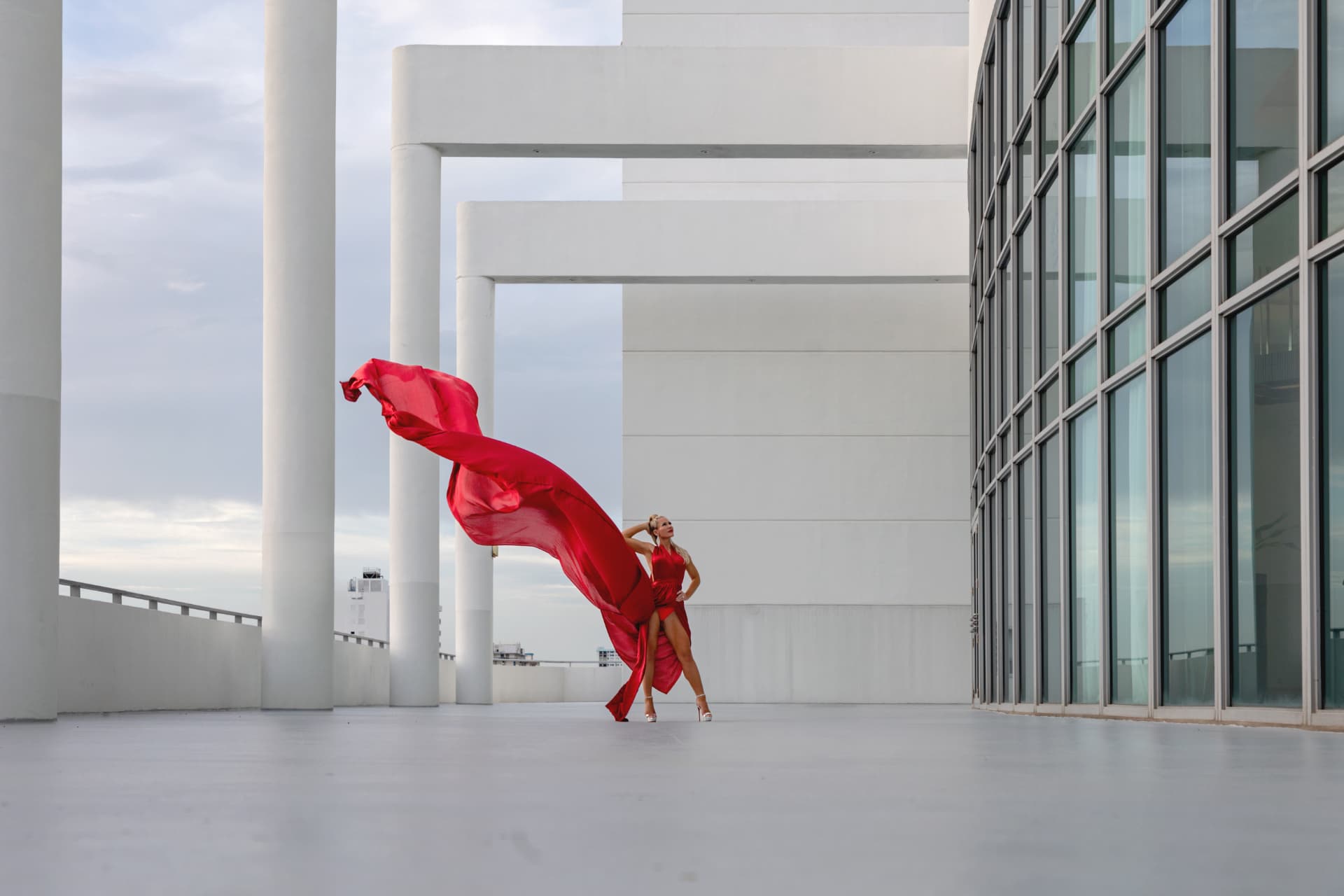
Movement creates transitions, and transitions often produce the most natural photographs. The frame immediately after a held pose can show the shoulders dropping and the real expression returning.
Build confidence gradually
Many seniors arrive feeling uncertain in front of a camera. I begin with simple positions and show clear feedback rather than expecting instant performance. As the session develops, the direction can become more expressive.
Lens choice and camera distance also affect comfort. A longer focal length allows more personal space and can simplify the background, while a wider lens brings the environment into the story and requires more awareness of perspective.
Make room for range
A complete gallery can hold confidence, humor, quiet, and movement. Not every photograph needs a broad smile, and not every serious expression needs to feel dramatic.
The aim is a set of portraits that feels specific to this moment without reducing a person to one mood. Technique supports that goal, but trust is what makes it visible.