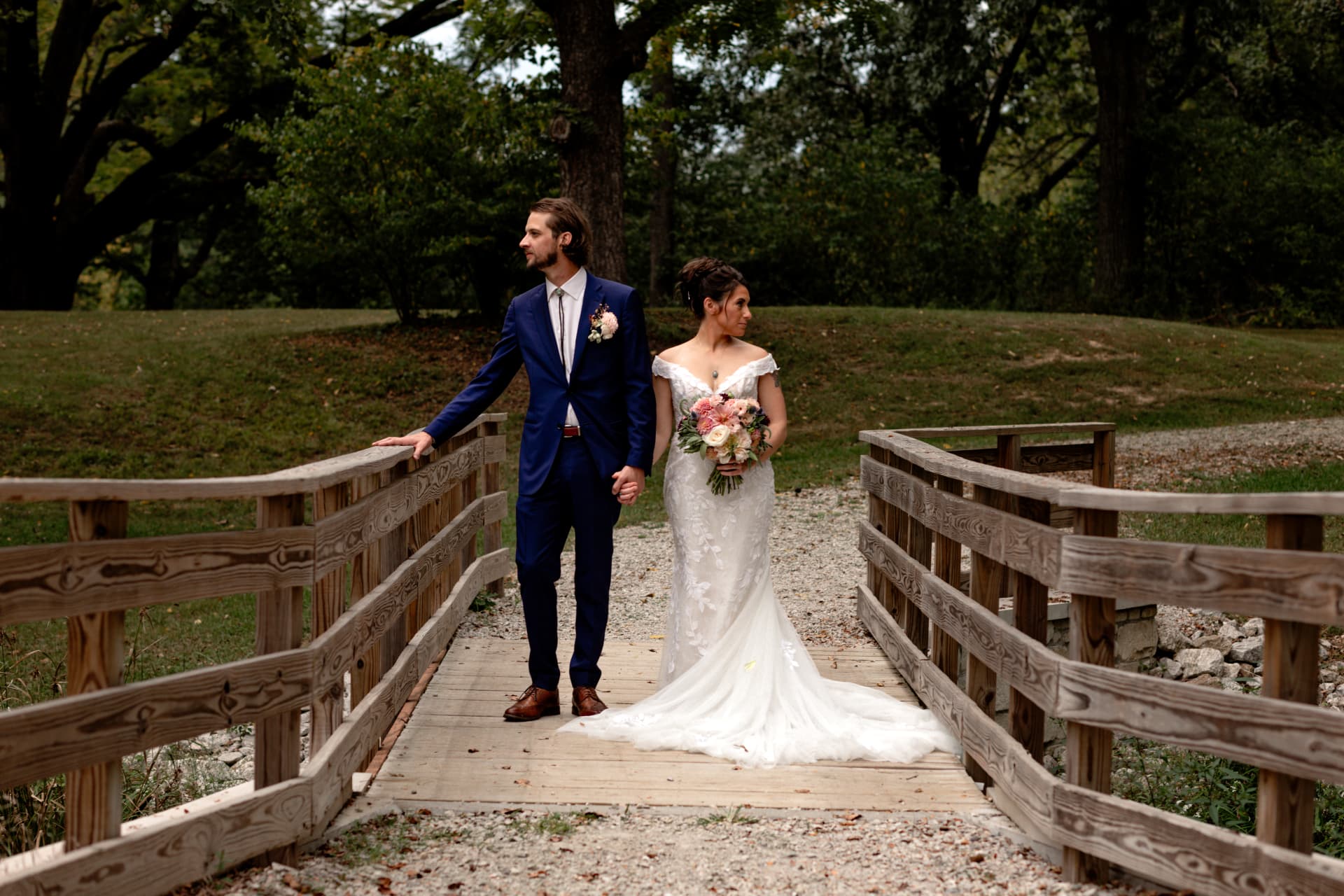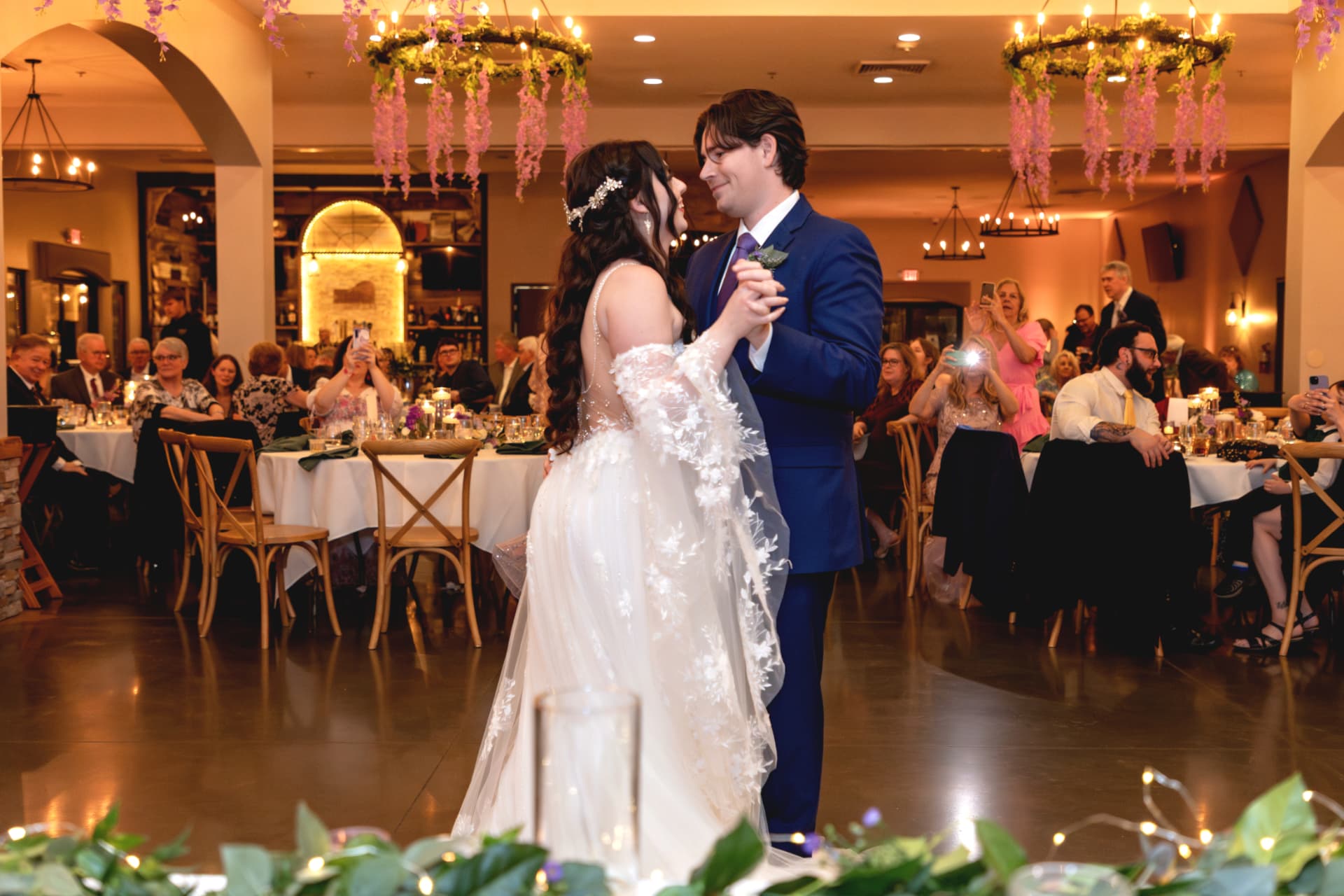
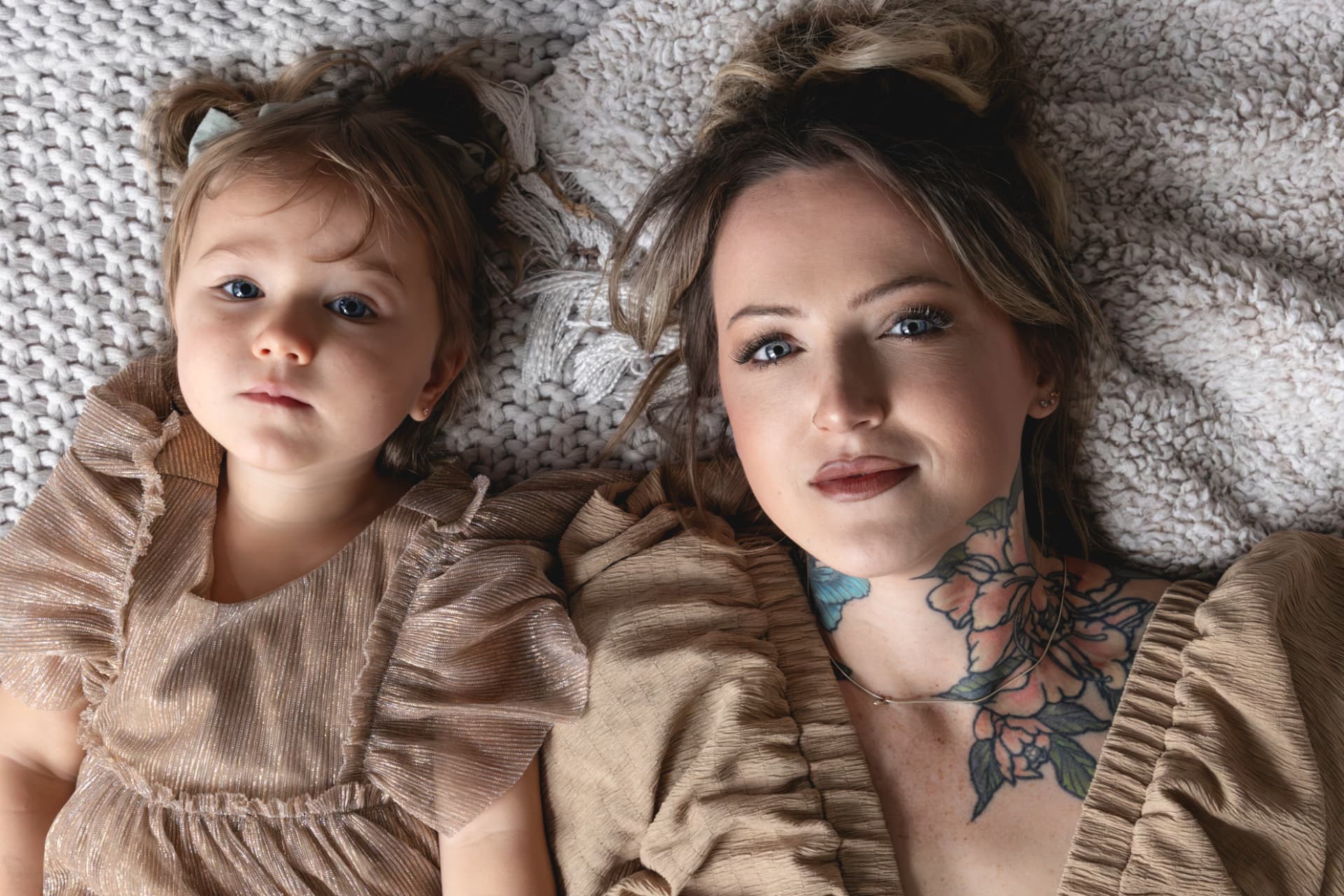
A pose is only a starting point
A clear group portrait matters, especially when generations are together, but it does not need to define the whole session. I use simple arrangements to establish connection and then keep photographing as everyone relaxes. The expression after the formal smile is often the one that feels most familiar.
Good direction describes an action instead of demanding an emotion. Walking together, leaning in, or telling a quiet joke gives people something real to respond to.

Watch the transitions
Families reveal their rhythm between planned frames. A child reaches for a parent, siblings settle into each other, or someone laughs at the attempt to organize the group. Those transitions are brief, so the camera stays ready while positions change.
A shutter speed appropriate for movement is important, especially with young children. Continuous autofocus can follow the nearest eye, but anticipation still matters. Technology supports timing rather than replacing it.
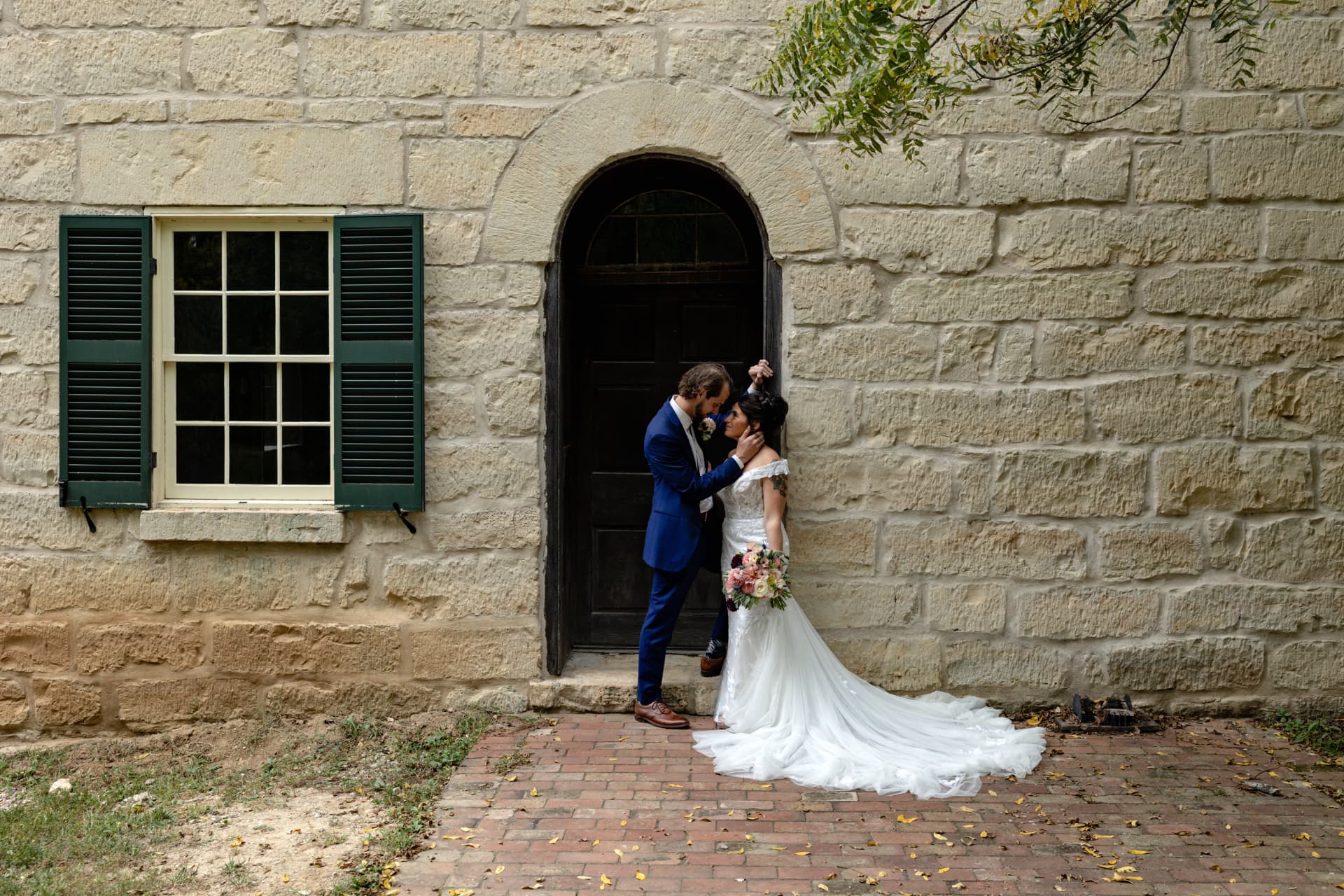
Let children set part of the pace
Young children rarely benefit from repeated requests to sit still and smile. Short activities, movement, and breaks preserve their attention. Photographing at their eye level also changes the relationship in the frame and makes the image feel less observational.
Safety and comfort come first. The plan can change if a child needs time, food, or space. A flexible sequence usually creates more genuine expression than forcing a preset list.
Keep the recognizable details
A family portrait does not need perfection to become important. Windblown hair, a favorite toy, and an uneven grin can be the details that make the photograph specific to that season of life.
The finished gallery should include the photograph for the wall and the smaller moments that explain the relationships within it. Both are part of the family record.