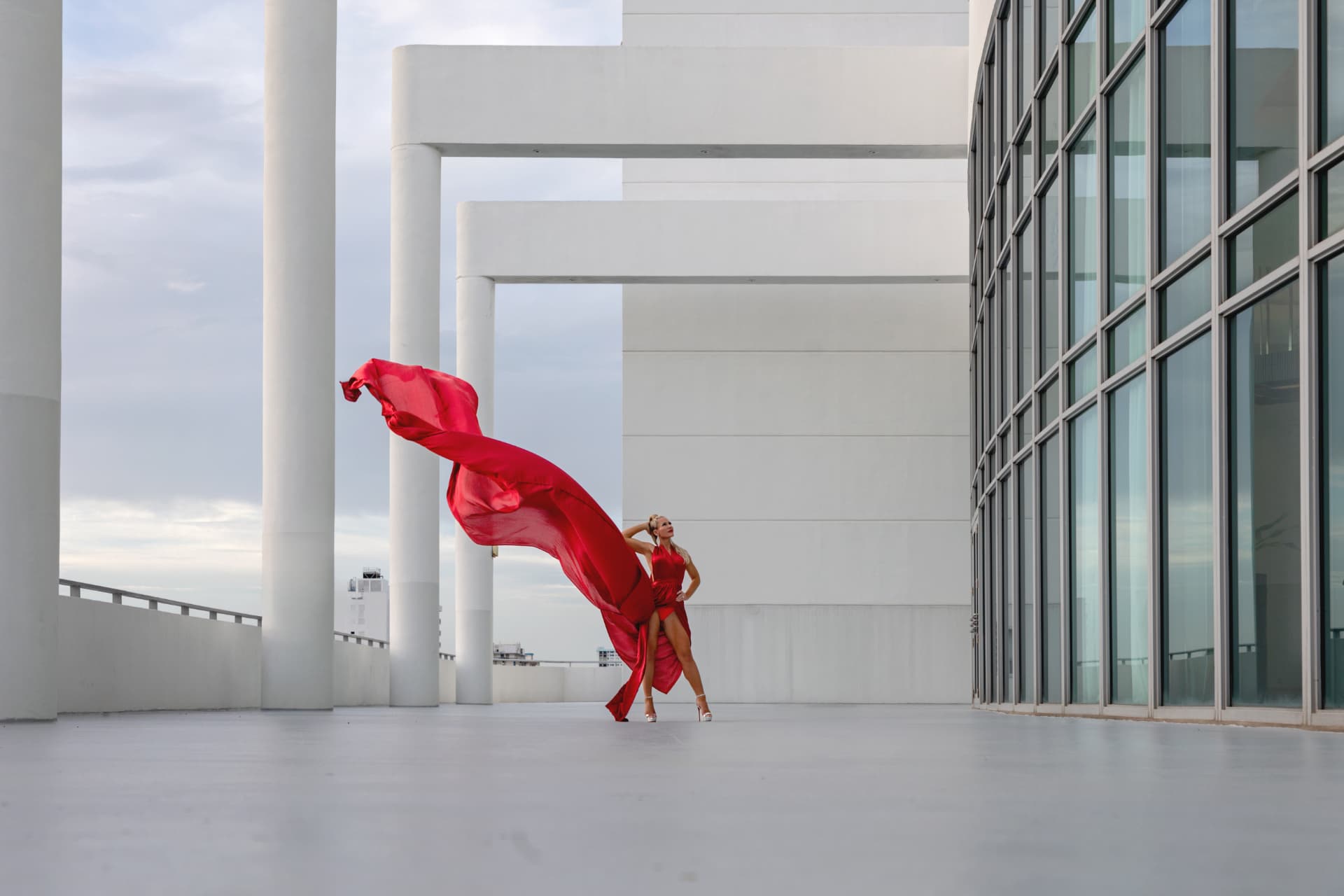
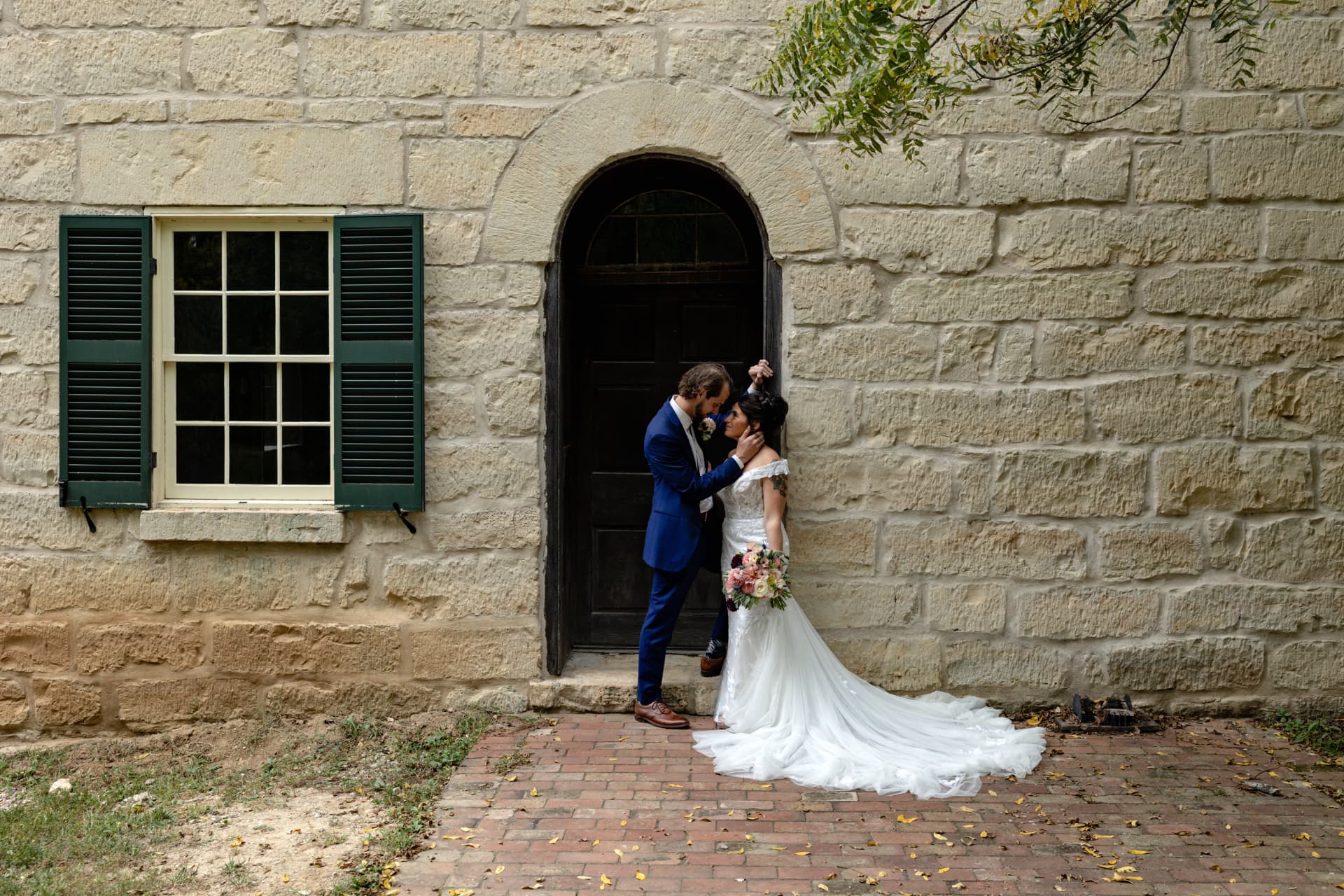
Learn the room and its rules
Cathedrals and churches often combine low ambient levels, bright windows, long aisles, and strict limits on movement or flash. A conversation with the coordinator or officiant clarifies where a photographer may stand and whether a balcony, side aisle, or rear position is available.
A scouting visit reveals more than exposure. It shows how processional paths, columns, and guest sightlines affect camera positions. Respect for the ceremony always comes before a photograph.
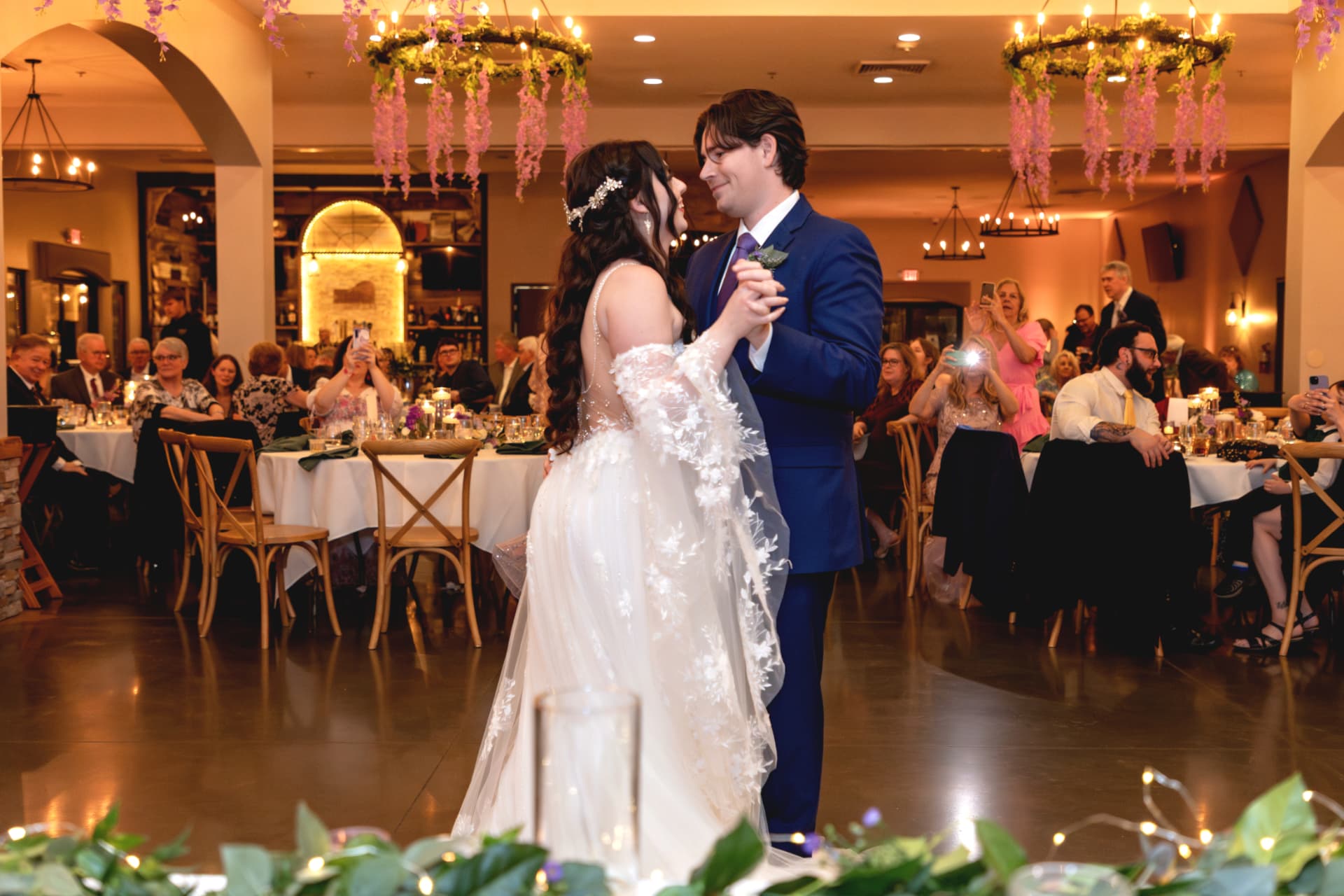
Expose for mixed light
Interior light may include daylight, tungsten fixtures, candles, and colored reflections from stained glass. There may be no single neutral white balance for the entire room. Photographing raw files preserves more latitude for balancing color later, while careful exposure protects bright windows and important highlights.
Modern cameras can work well at higher ISO settings, especially when exposure is accurate. A slightly noisy sharp photograph is generally more useful than a blurred frame made at an unnecessarily slow shutter speed.
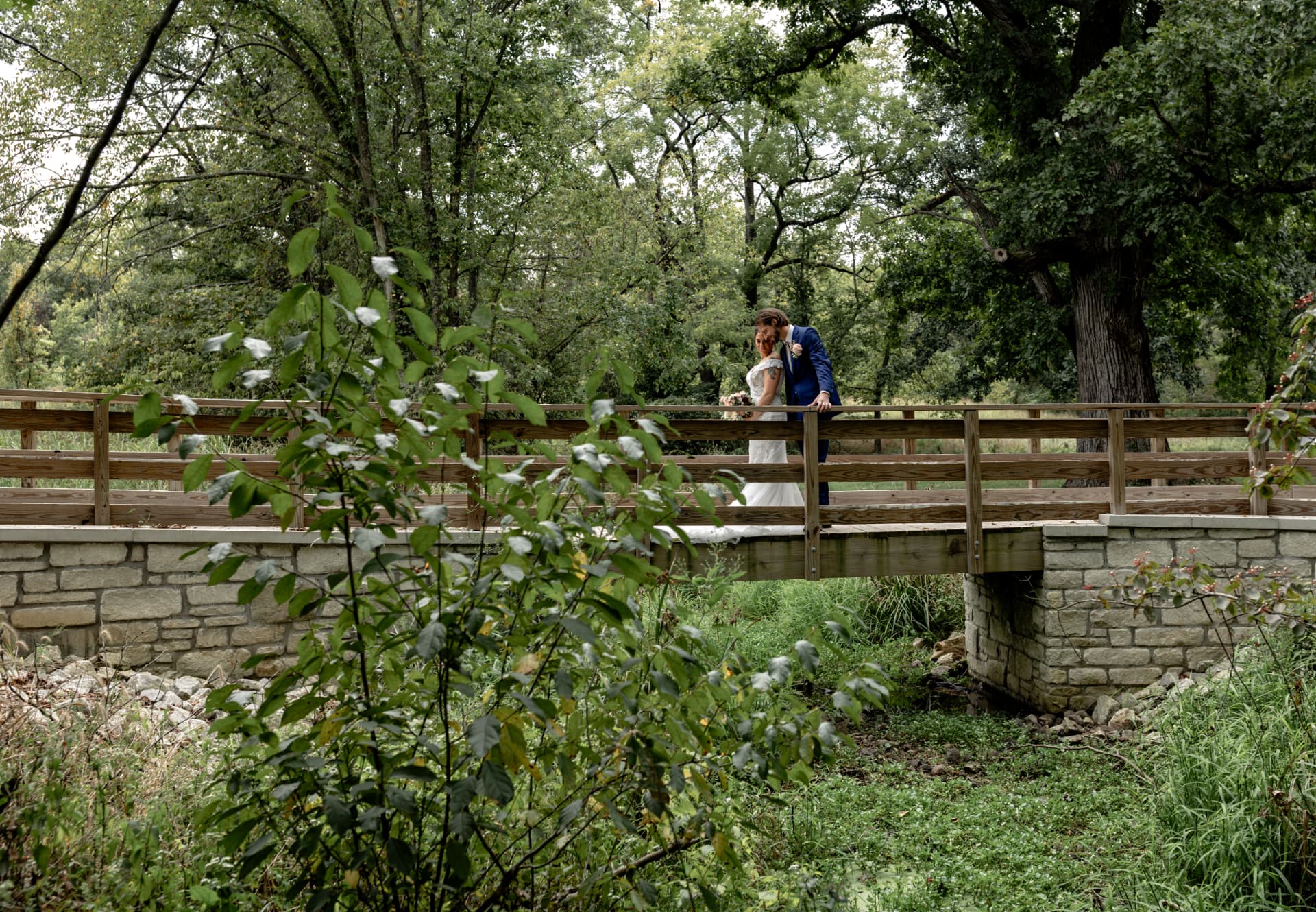
Use architecture as structure
A central aisle creates symmetry and leading lines, while arches and doorways can frame the couple within the scale of the building. Wide compositions establish the space. Longer focal lengths isolate reactions and compress repeated architectural elements.
Vertical lines deserve attention. Keeping the camera level reduces converging walls, although some perspective can be used intentionally to emphasize height.
Photograph the quiet moments
A cathedral ceremony has its own pace. Hands, bowed heads, glances, and light moving across stone can carry as much meaning as the formal milestones. Anticipating these details allows the photographer to remain unobtrusive.
The final sequence should communicate both intimacy and scale. The building is part of the story, but the people and the ceremony remain its center.