Define the visual language
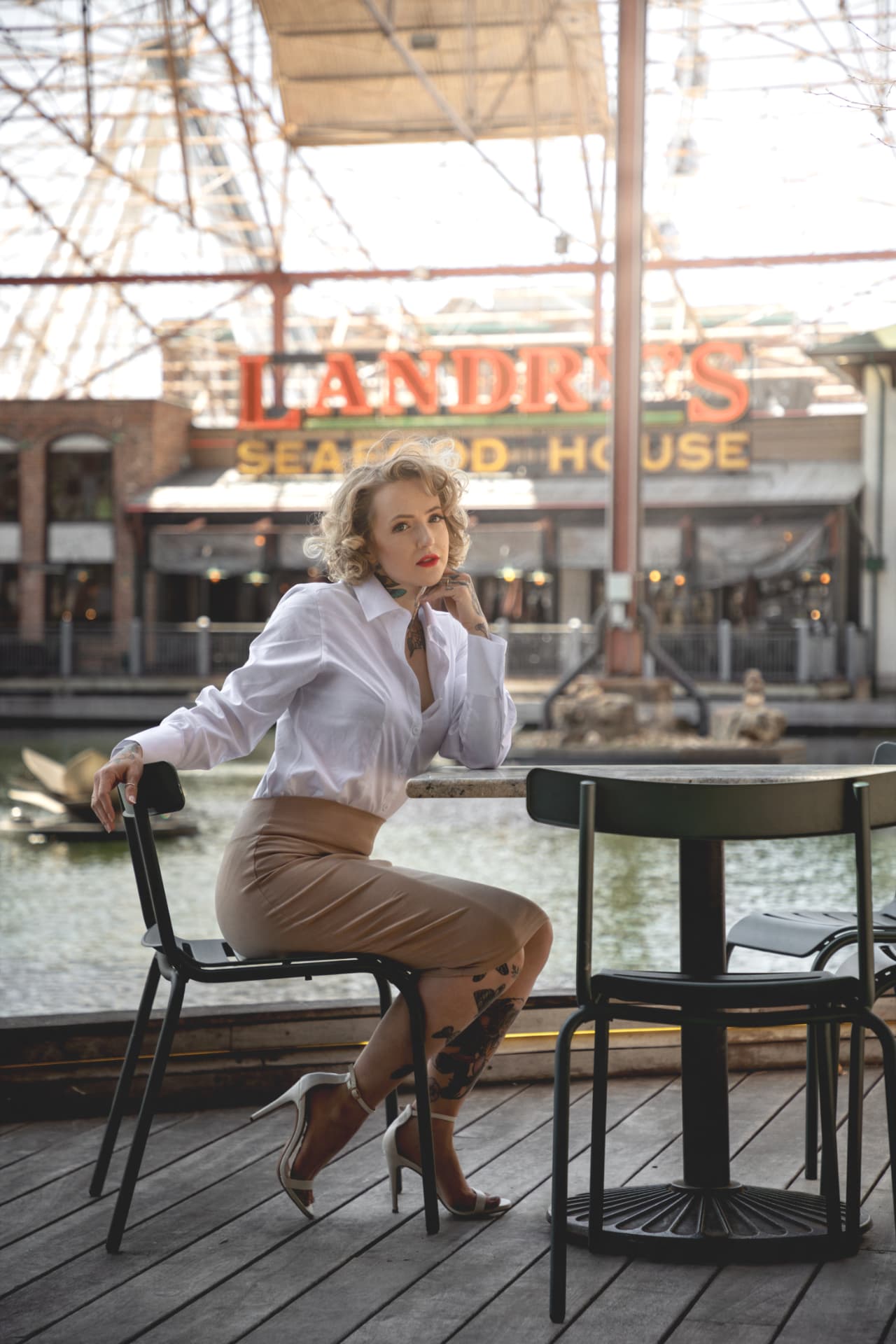
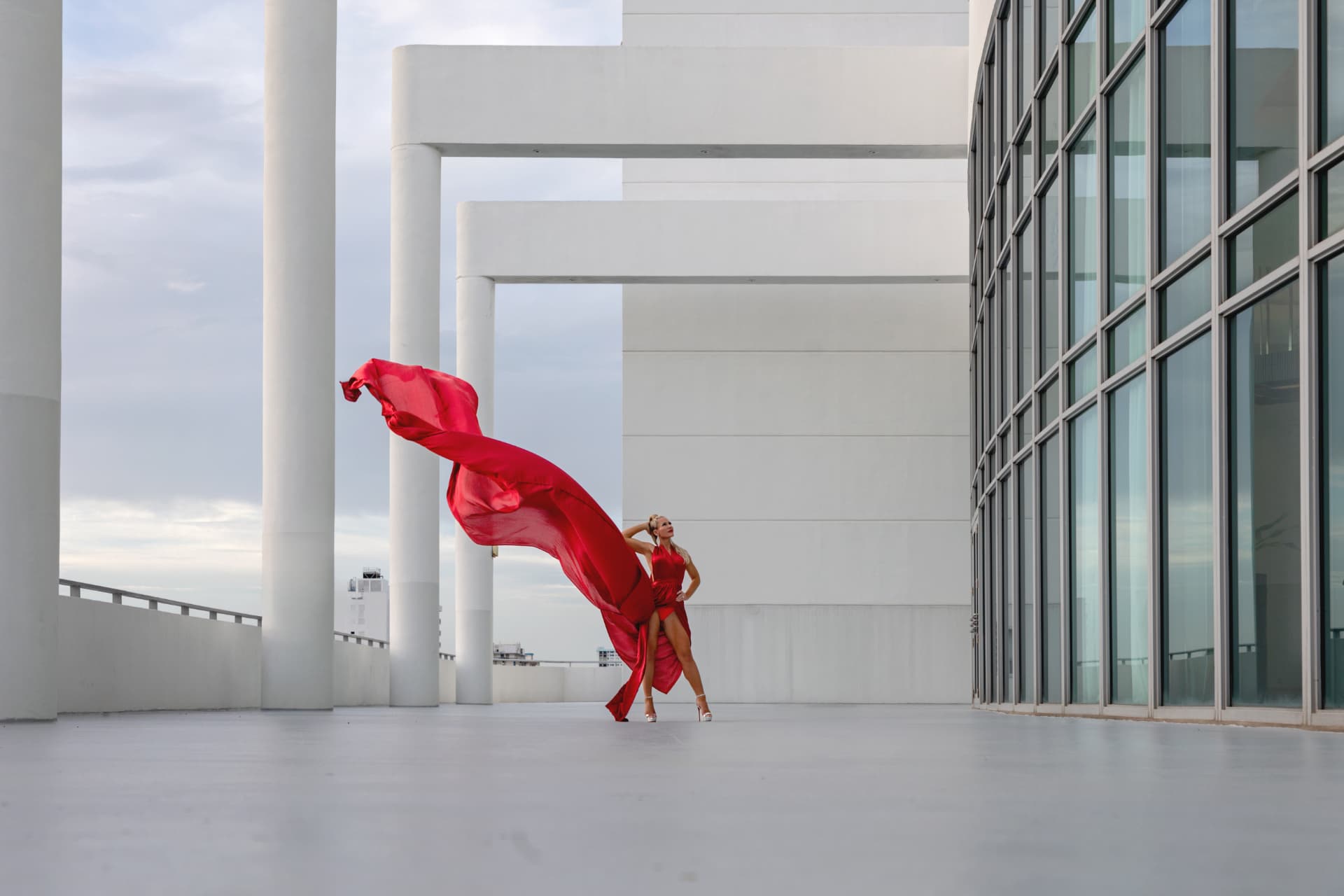
A moody portrait begins with a clear decision about color, contrast, and emotion. A short reference board can identify the common threads without becoming a shot list. Here, saturated wardrobe against a restrained environment gives the frame one dominant visual anchor.
Production choices need to support the same idea. Background, styling, lens perspective, and light quality should feel related. Removing elements that do not serve the concept is often more effective than adding another prop or fixture.
Start with one key light
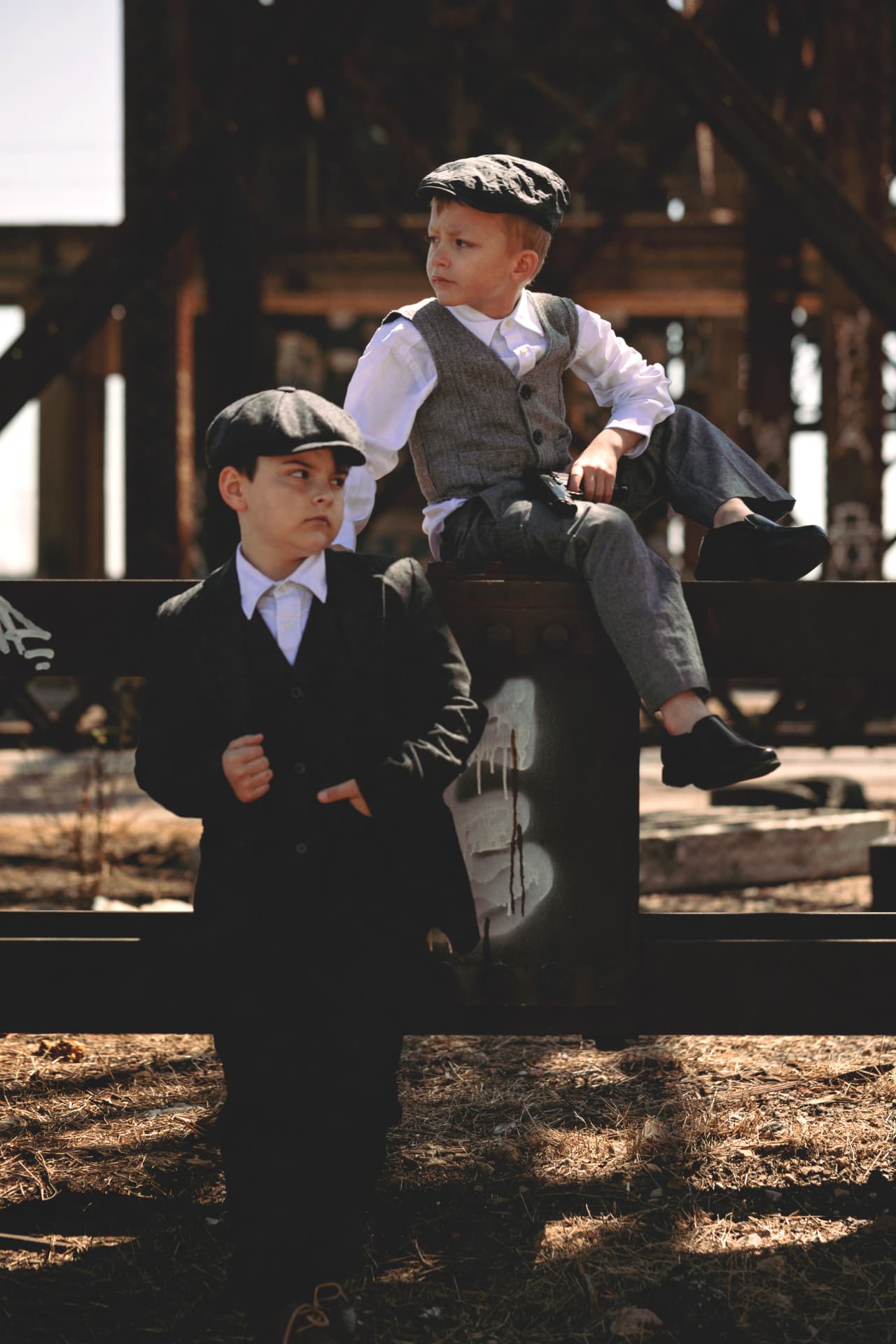
One controlled key light can create more depth than several sources used without purpose. Placing it above eye level and off axis gives the face shape through a natural transition from highlight to shadow. Moving the source closer makes it larger relative to the subject and therefore softer, while moving it farther away makes the transition harder.
A softbox controls spill better than a bare flash. Adding a grid narrows the spread further, which helps keep a dark background from lifting. Flags or black fabric can subtract stray bounce when the room itself is reflecting too much light.


Control contrast deliberately
The lighting ratio is the brightness relationship between the lit and shadow sides of the subject. For a darker scene, I let the shadow side fall lower while keeping enough detail to preserve facial structure. A handheld meter, histogram, or highlight warning can help confirm exposure, but the final judgment is visual.
If the shadows close too quickly, a white reflector or low-powered fill can reduce contrast. Fill should support the key, not flatten it. Small position changes often matter more than adding power.
Finish the idea in color
Color grading should reinforce choices already made on set. White balance, tone curve, and selective color adjustments can unify the frame, but they cannot replace purposeful lighting. Skin tone remains the reference point even when the surrounding palette is stylized.
The strongest cinematic portraits feel designed without feeling overbuilt. A simple setup leaves room for expression, movement, and the unexpected frame that makes the series feel alive.