
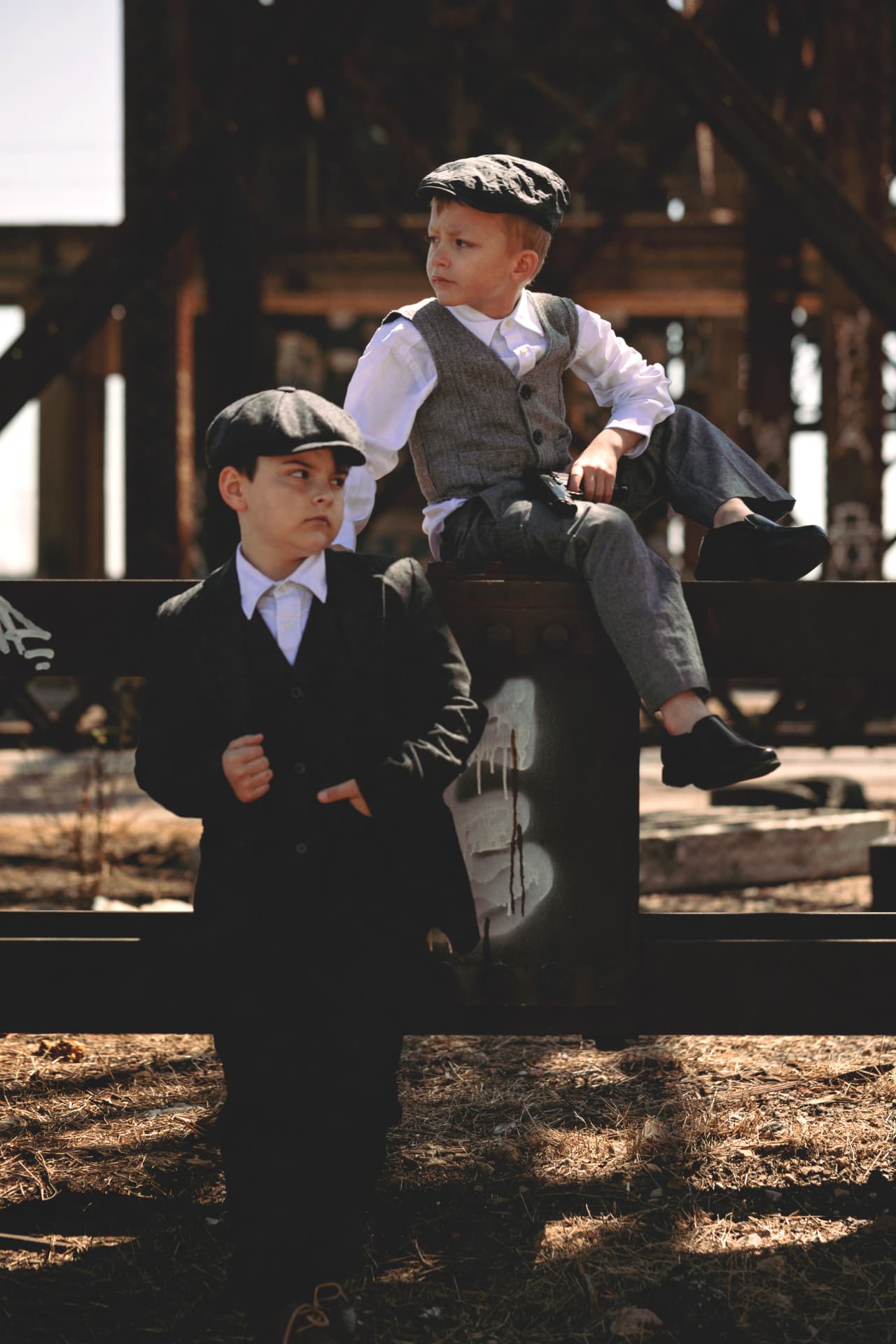
Light quality is about relative size
A small flash can produce soft light when it is fired into a modifier that is large and close to the subject. Move that same source farther away and it becomes smaller relative to the face, creating a harder shadow edge. Power matters for exposure, but apparent size and distance define much of the light's character.
A softbox provides control and diffusion. An umbrella spreads light more broadly, which can be helpful in a large space but harder to contain. A grid limits spill without changing the basic softness of the modifier.
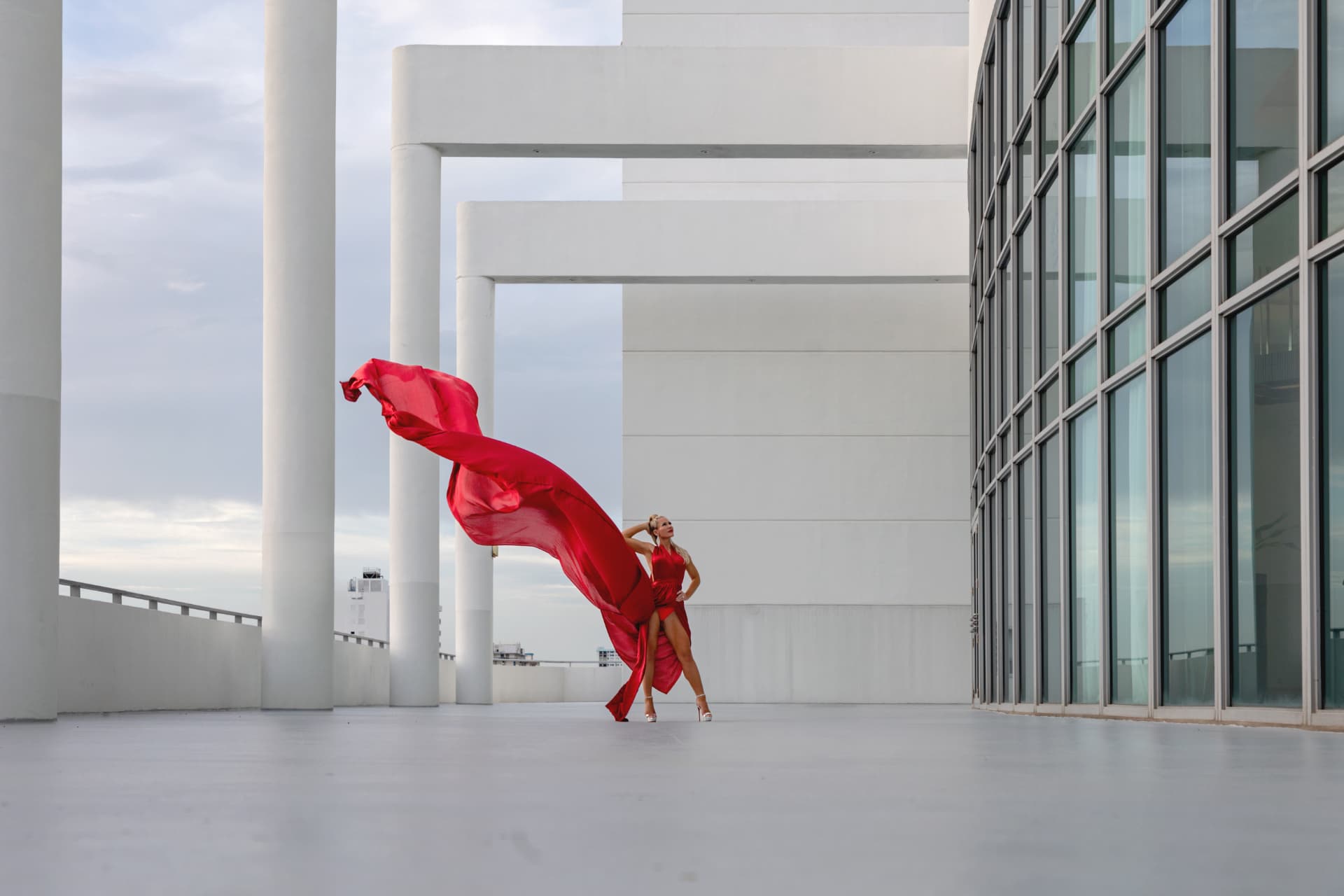
Position creates dimension
Light placed directly over the camera axis minimizes shadow and can make features appear flatter. Moving the key light above and to one side reveals form through highlight and shadow. The exact angle depends on the face, pose, and intended mood rather than a fixed diagram.
Feathering means aiming the center of the modifier slightly past the subject so the softer edge of the beam does the work. This can even the exposure across a body-length portrait and keep excess light off the background.
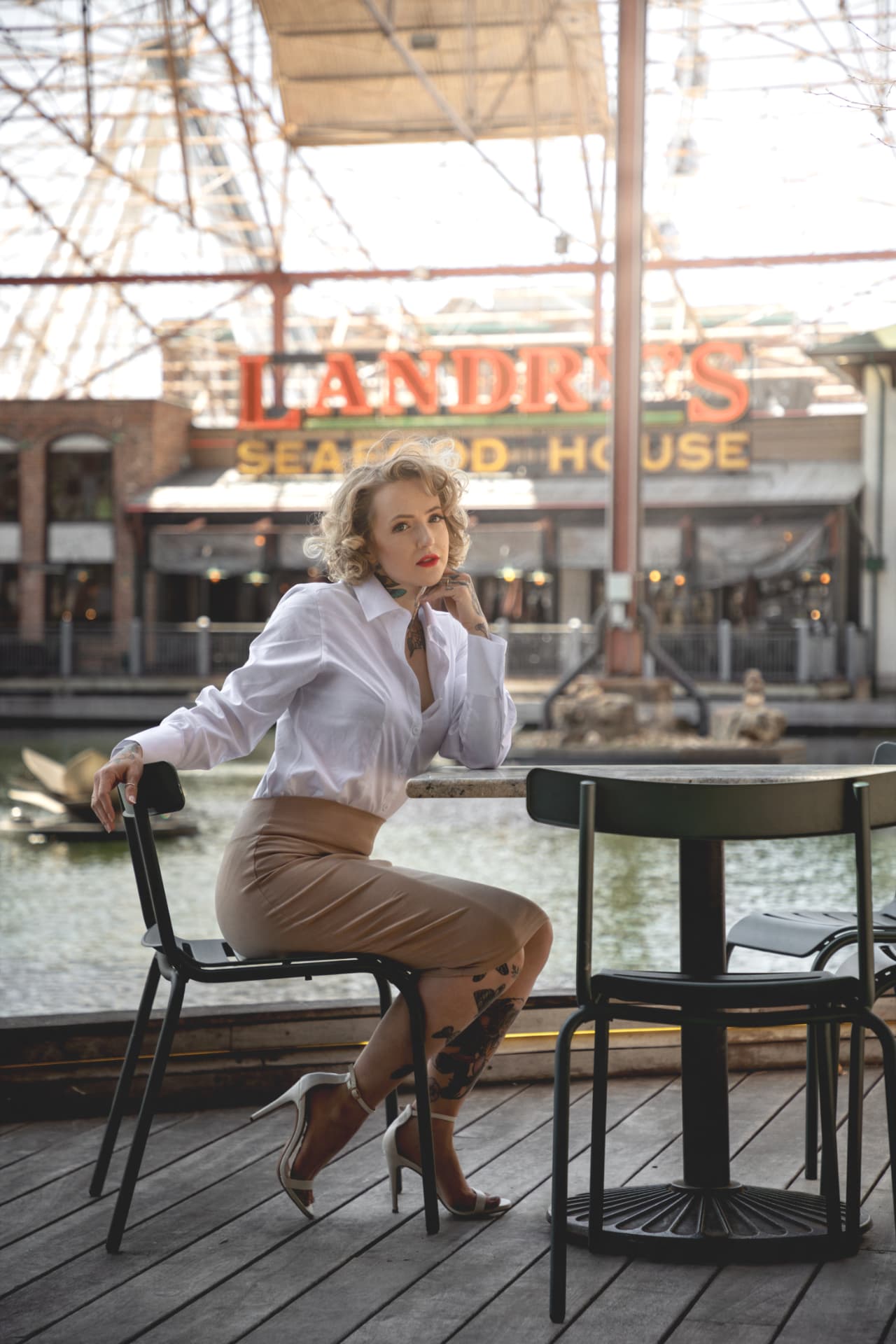
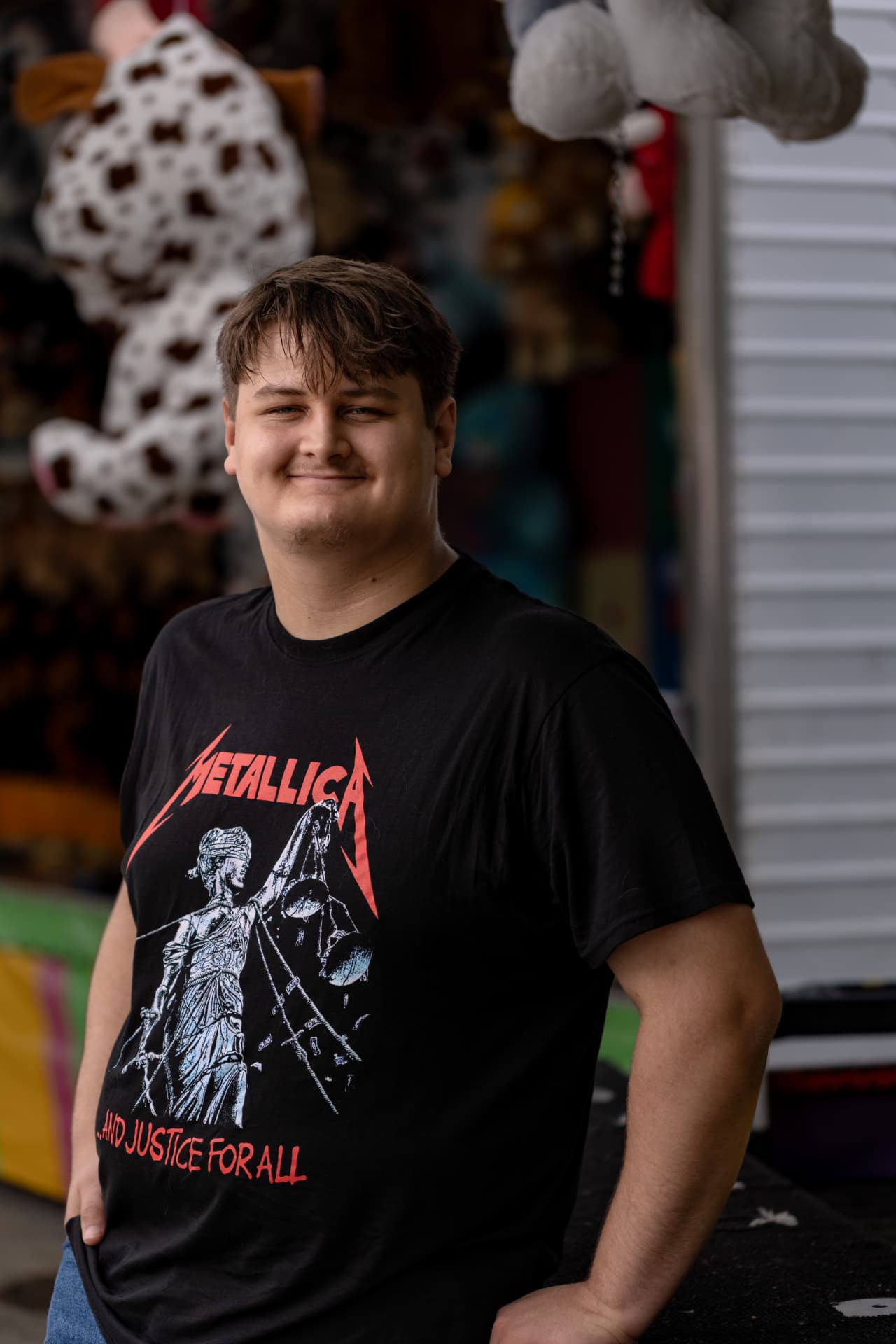
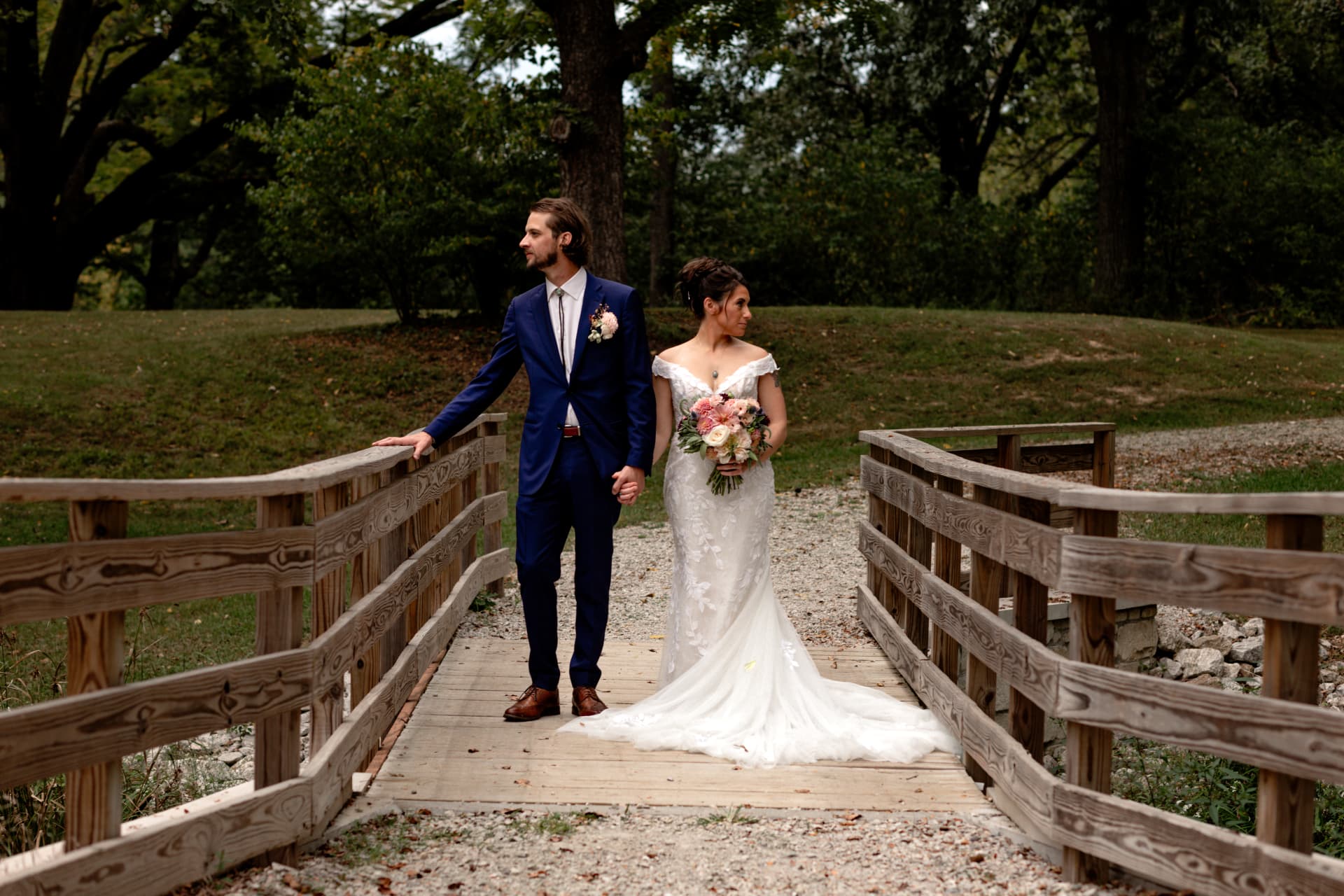
Add only what the frame needs
A reflector or low-powered fill can open shadows while preserving the direction of the key. A rim light behind the subject can separate dark hair or clothing from a dark background. Each source should solve a visible problem.
Before adding another flash, I adjust subject position, modifier angle, and distance. Simple setups are faster to refine and easier to repeat when the subject moves.
Balance flash and ambient light
Shutter speed controls much of the ambient contribution when working below the camera's flash synchronization limit, while aperture, ISO, and flash power affect the flash exposure. These controls overlap, but separating their roles is a useful way to build the image deliberately.
On location, battery-powered strobes and stable stands make a compact kit effective. Sandbags and an assistant are essential when modifiers catch wind. A portable setup is only useful when it is safe.