
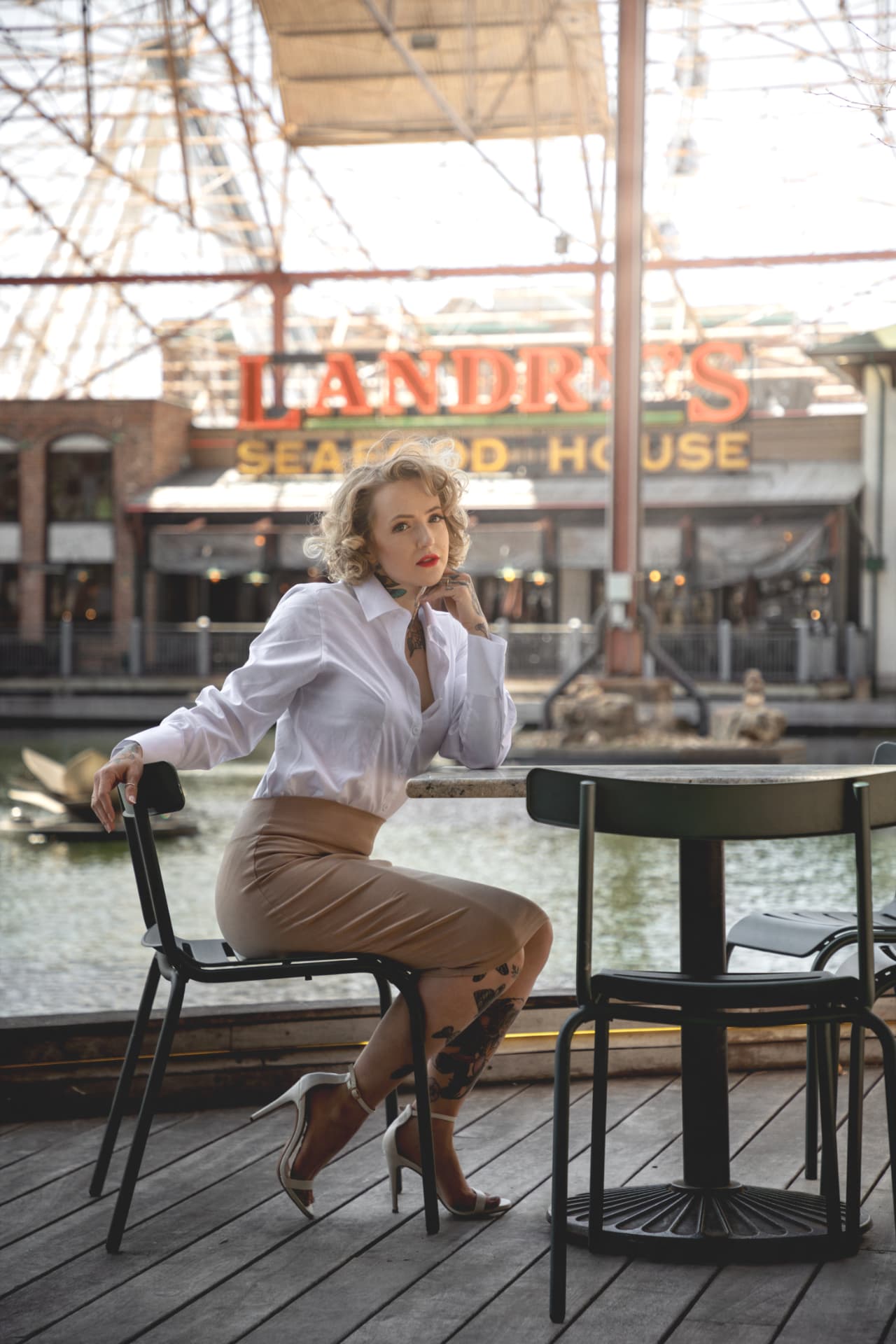
Find the single clear idea
A creative project may begin with a color, a garment, a location, or a line from a story. The first task is not to make it larger. It is to identify what makes that spark worth following.
I reduce the idea to one sentence that describes the emotional center of the photographs. That sentence becomes a filter for styling, casting, light, and set decisions.
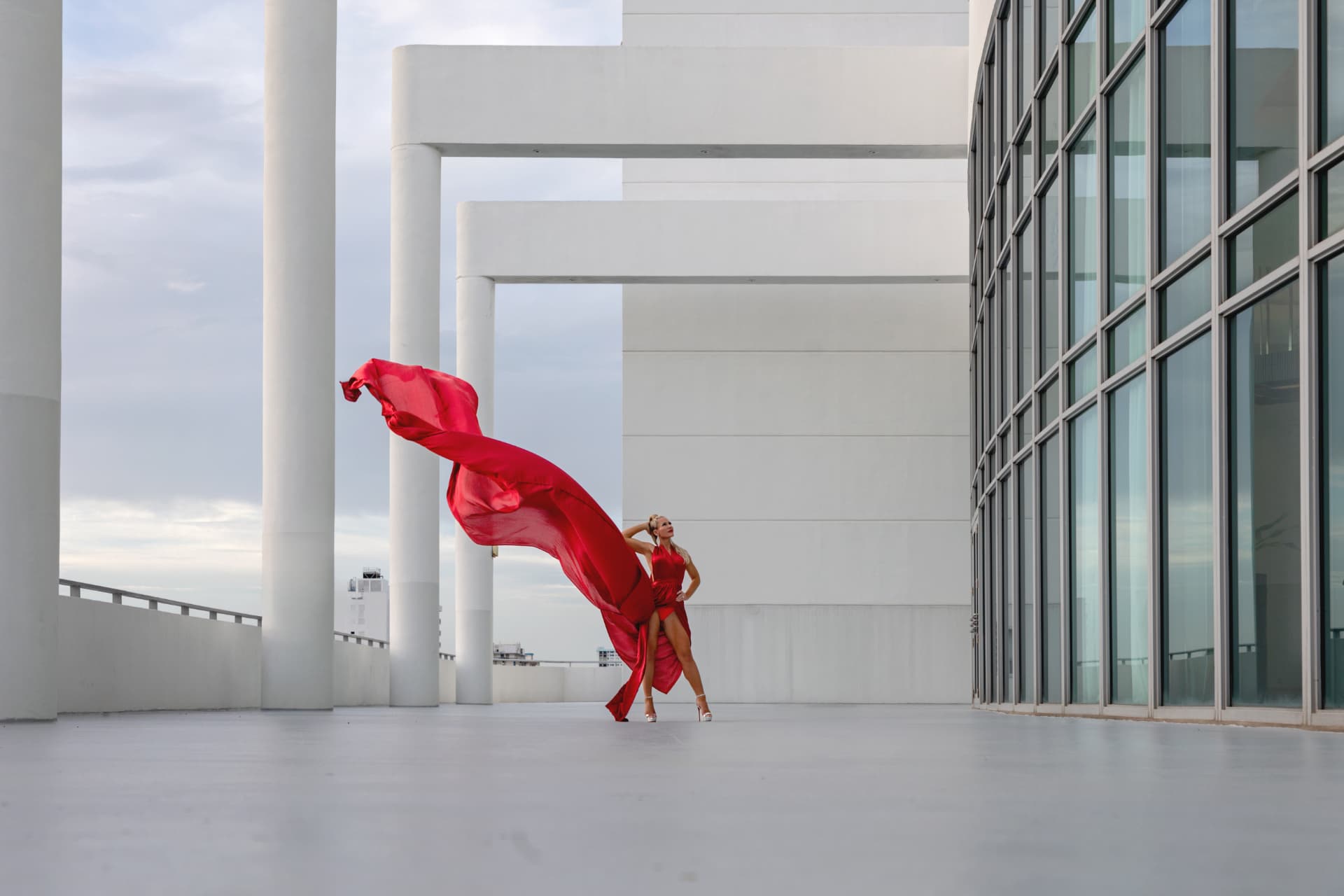
Build a visual grammar
A concept becomes readable when choices repeat with purpose. A limited palette, a recurring gesture, or a consistent relationship between subject and environment can connect individual frames into a series.
A shot list can cover the necessary perspectives without prescribing every expression. Wide, medium, close, still, and moving frames give the edit structure while leaving room for discovery.
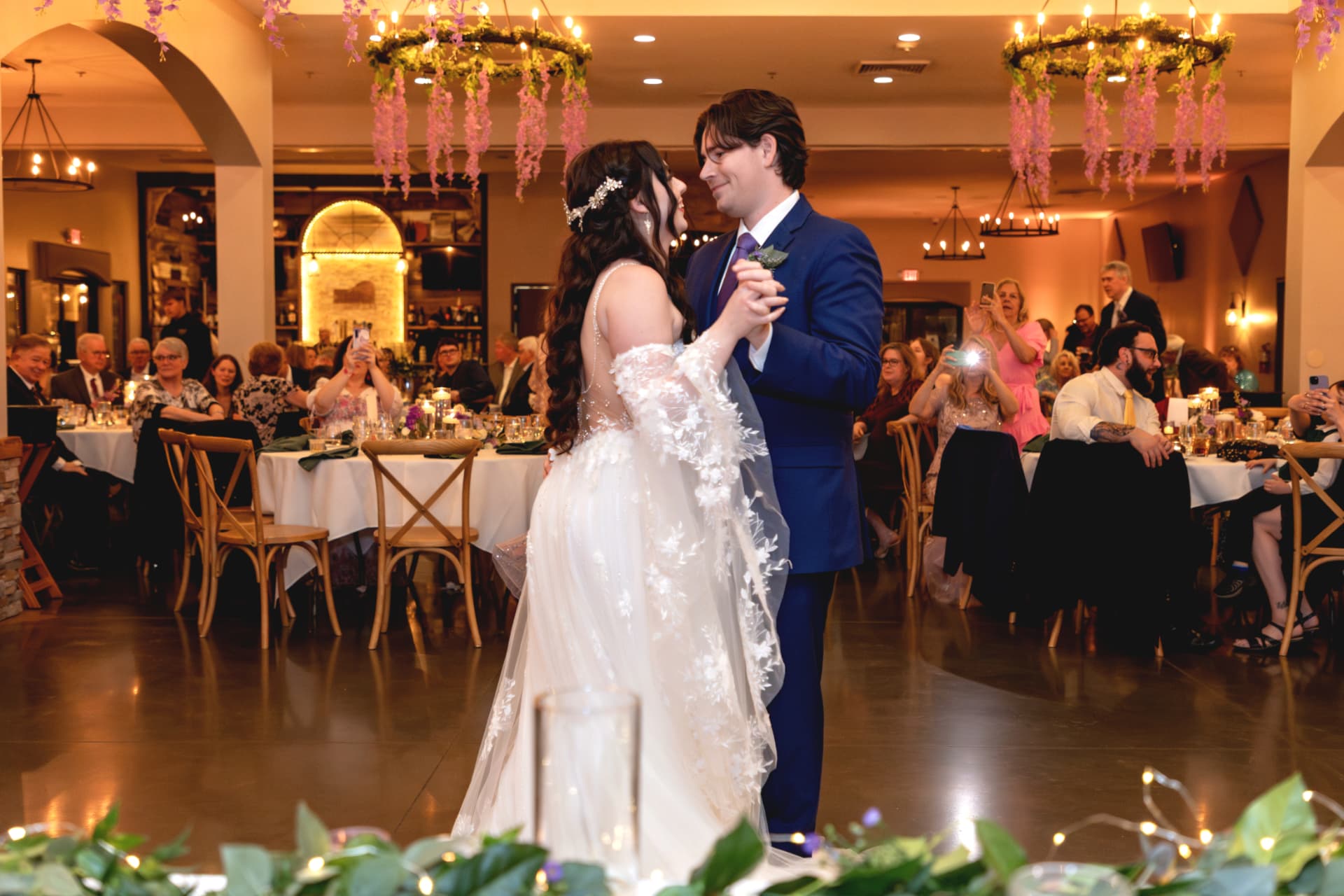
Invite collaboration
The subject needs enough context to contribute. Rather than asking for a vague mood, I describe the situation, intention, or imagined moment. That gives the person something internal to play instead of only an external pose to hold.
Wardrobe, makeup, and production collaborators also shape the idea. Sharing the same brief keeps those contributions connected while allowing each specialist to improve the result.
Protect the unexpected
A concept should guide the session without closing it down. Wind, movement, reflections, and unplanned expressions can reveal a better version of the original idea. The photographer's job is to recognize when the work has become more interesting than the plan.
During editing, the original sentence returns as a guide. Frames stay because they strengthen the visual narrative, not simply because they were difficult to make.