
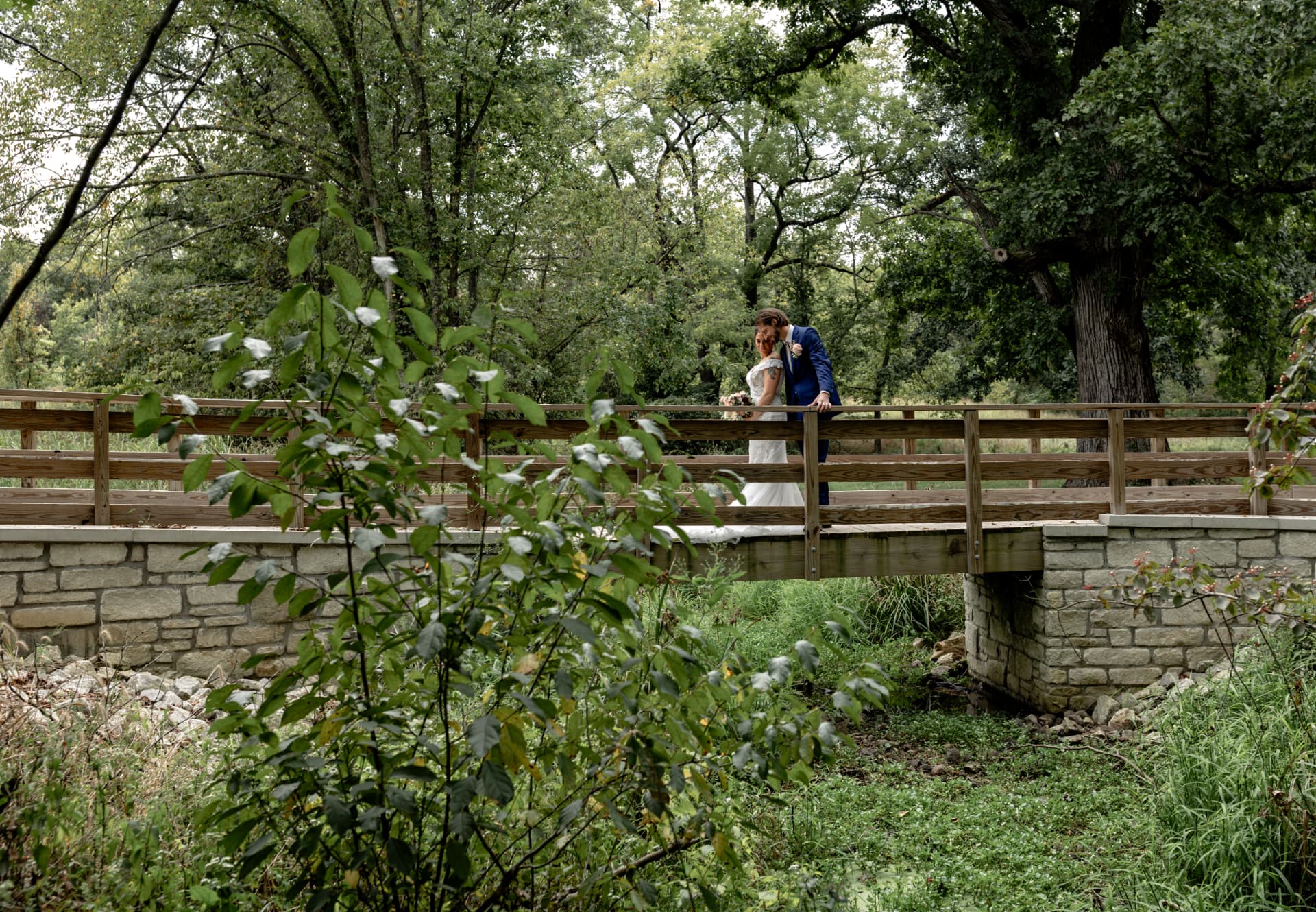
Preparation carries the day
Wedding coverage begins with the schedule, location rules, family group list, and conversations about what matters most to the couple. Equipment preparation includes charged batteries, formatted cards, synchronized camera clocks, and backups for essential bodies, lenses, and lighting.
The timeline is a working map rather than a promise that every minute will hold. Knowing which moments are fixed and which can move makes it possible to adapt without losing the story.
Stay ahead without taking over
Arriving early creates time to assess the getting-ready rooms, find clean light, and confirm changes. During portraits, concise direction keeps people moving. During documentary moments, the photographer becomes quieter and anticipates rather than interrupts.
Family formals benefit from an ordered list and someone who knows both families. Starting with the largest group and releasing people as combinations get smaller is usually efficient, especially when the ceremony space must be cleared quickly.
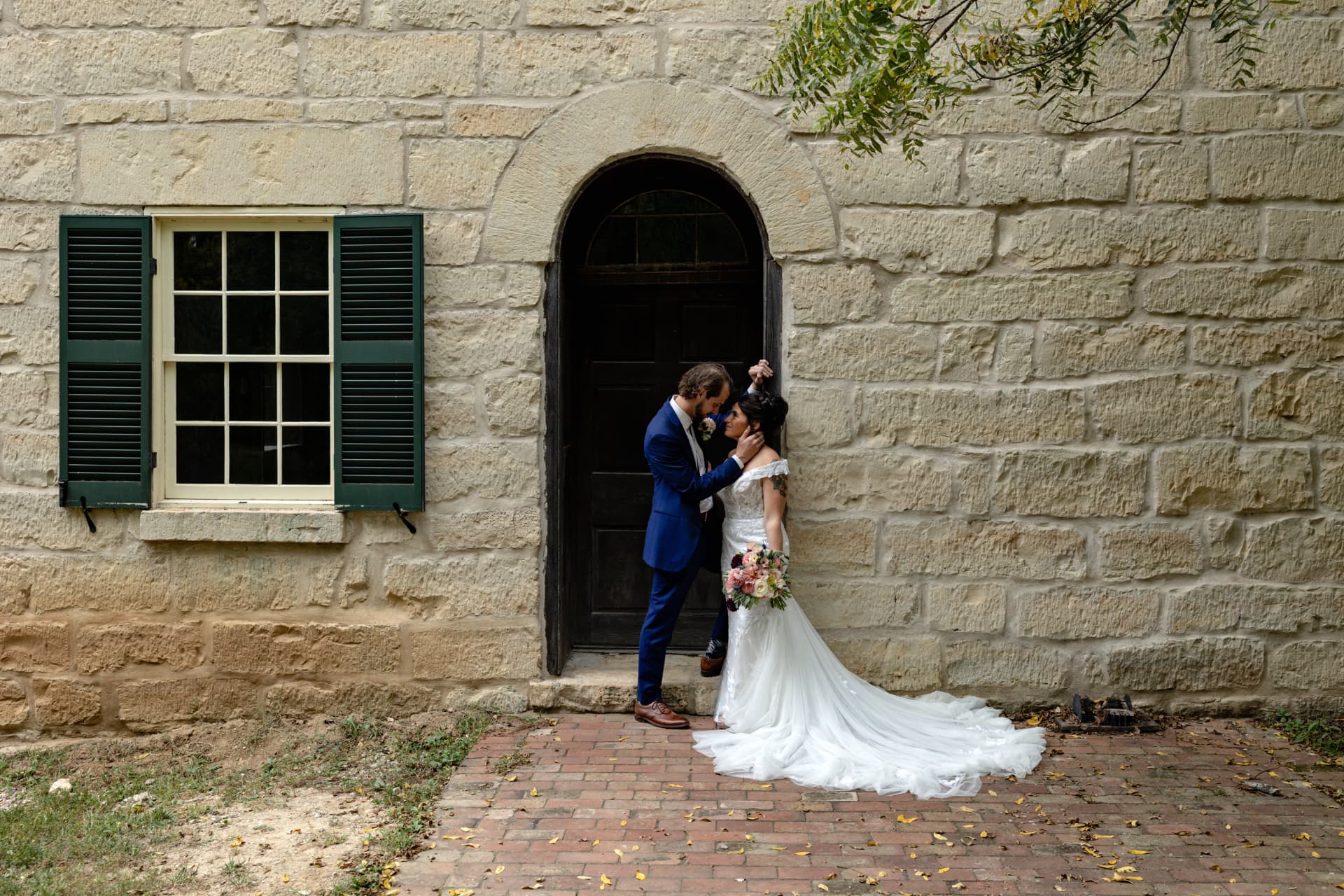
The ceremony requires restraint
Ceremony rules vary by venue and officiant. Flash may be prohibited, movement may be restricted, and some positions may be inappropriate. Understanding those limits before the processional protects the experience for guests and allows camera settings to be prepared in advance.
Key moments include more than the kiss. Reactions, hands, readings, exchanges, and the recessional build a fuller sequence. Two camera bodies with complementary focal lengths can reduce lens changes and help cover both context and expression.
The work continues after the exit
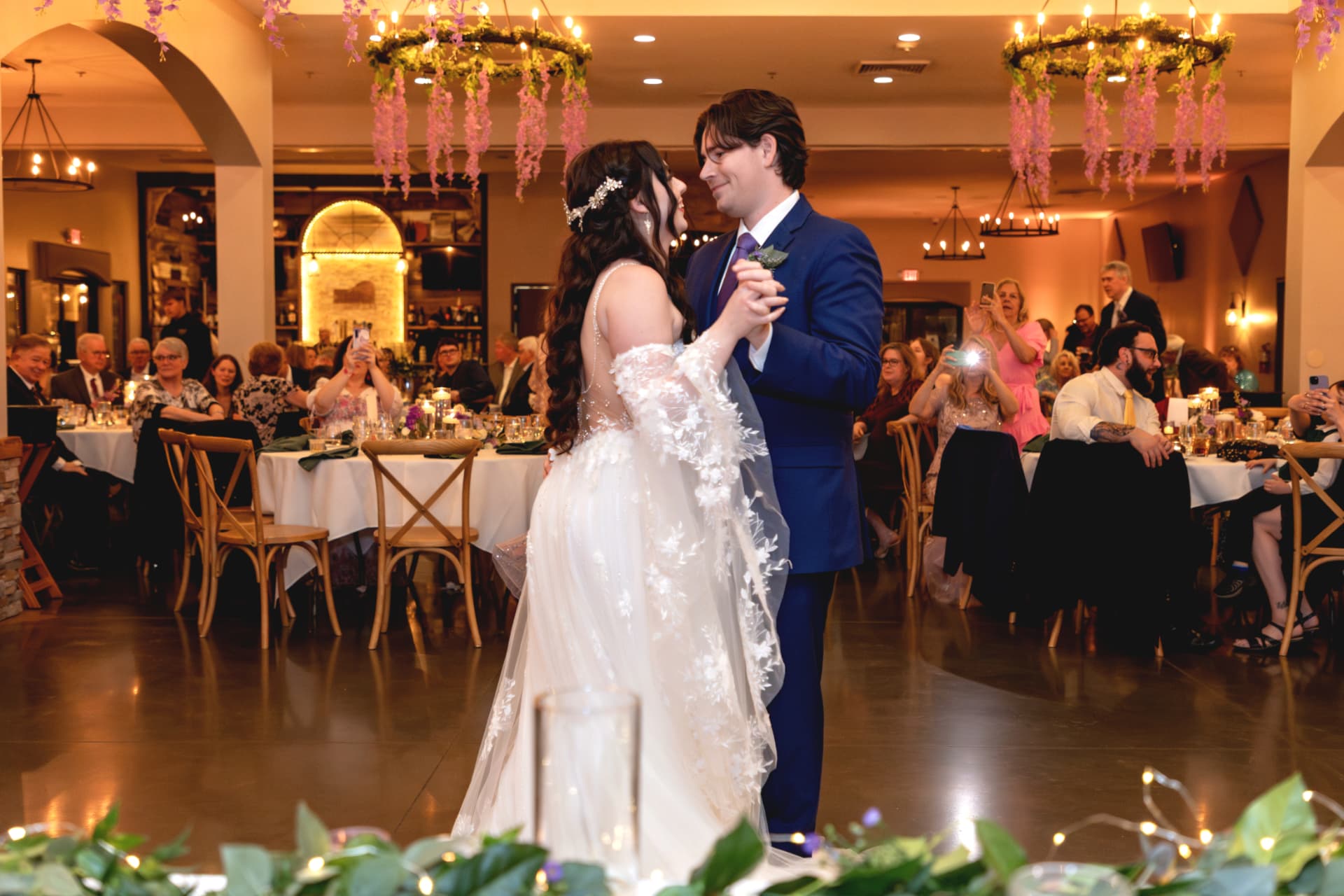
Reception lighting can change quickly between entrances, speeches, dinner, and dancing. Off-camera flash can add direction and separation when ambient light is low, but it should preserve the mood of the room rather than erase it.
After coverage ends, files are copied to separate storage before cards are reused. A sound backup practice follows the principle of keeping multiple copies on different media, with at least one copy stored separately. Protecting the photographs is part of photographing the wedding.